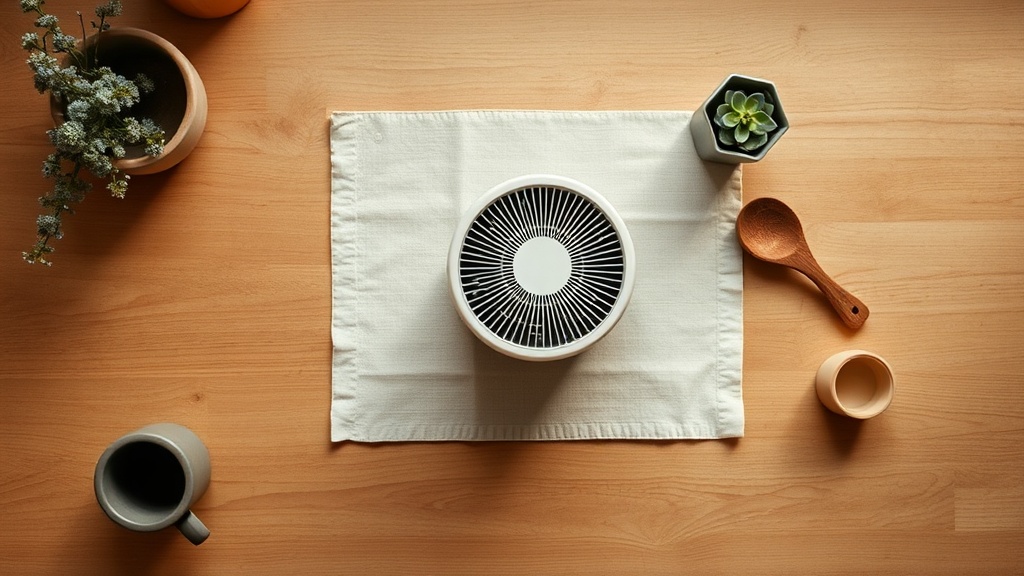
Air Purifiers Cut Indoor Microplastic Levels

NonToxCo Research
Science & Safety Team · 4/7/2026
Good news for once. Running an air purifier actually reduces the amount of microplastics floating around in your indoor air.
Tested in a Real Room
A 2026 study in Environ Pollut tested air purifier performance in a real office environment, not a lab. They measured microplastic concentrations with and without the purifier running under different ventilation setups.
The dominant indoor microplastics were fragments made of polyester and polypropylene. Sizes ranged from 50 to 250 µm, the kind shed from clothing, furniture, and carpeting.
Air Cleaners Work, But Setup Matters
Indoor microplastic concentrations dropped when the air purifier was running. The best results came from pairing the air cleaner with air conditioning. Together, they pulled microplastic levels down compared to having no purifier at all.
But here's the catch: using electric fans with the air purifier actually increased the indoor-to-outdoor ratio of microplastics. Fans stir up settled particles and push them back into the air, counteracting the purifier's work.
Weather and outdoor air pollution didn't affect the purifier's performance.
How to Get the Most Benefit
Run an air purifier with a HEPA filter in rooms where you spend the most time. Pair it with air conditioning rather than fans. Keep windows closed when outdoor microplastic sources are nearby (roads, construction). Vacuum regularly with a HEPA-filter vacuum to grab settled particles. Browse non-toxic home essentials for products that create fewer airborne microplastics in the first place.
Also see non-toxic kitchen essentials for safer alternatives.