45% of Cod Fillets Contain Microplastics

NonToxCo Research
Science & Safety Team · 4/7/2026
Nearly half of Atlantic cod fillets tested contained microplastics. That means the fish on your plate is serving you plastic particles along with your omega-3s.
What the Study Found
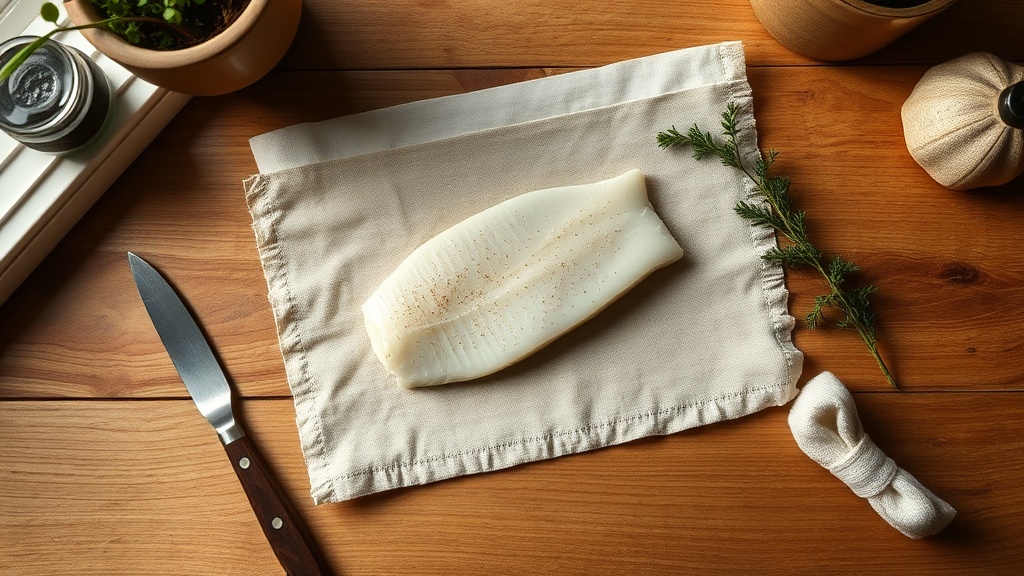
A 2026 study in Ecotoxicol Environ Saf examined cod fillets (the part you actually eat, not just the gut) from Arctic waters near Norway. 45% of fillets contained microplastics, averaging 0.25 particles per gram.
Based on Norwegian consumption patterns, the average man would swallow about 21 microplastics per week from cod alone. Women, who eat more cod on average, would ingest about 34 per week. Across a European diet, that's roughly 403 microplastics per year just from cod.
These Are in the Edible Flesh
Previous studies focused on fish guts, which people don't eat. This study looked at the fillets. The microplastics identified by Raman spectroscopy were embedded in the muscle tissue. Gutting and cleaning the fish doesn't remove them.
The study also found a UV stabilizer chemical (UV-326) in some fillets, a plastic additive that leaches from marine debris into fish tissue.
Fish Is Still Healthy, But...
Fish is nutritious. The researchers aren't saying to stop eating it. But the plastic contamination of our food supply is real and measurable. Every seafood meal comes with a side of microplastics that your body can't break down.
How to Reduce Exposure
Vary your protein sources. Choose smaller fish species (they accumulate less). Support ocean cleanup efforts. Use non-toxic kitchen alternatives to reduce plastic in your food chain.
Also see glass food containers for safer alternatives.