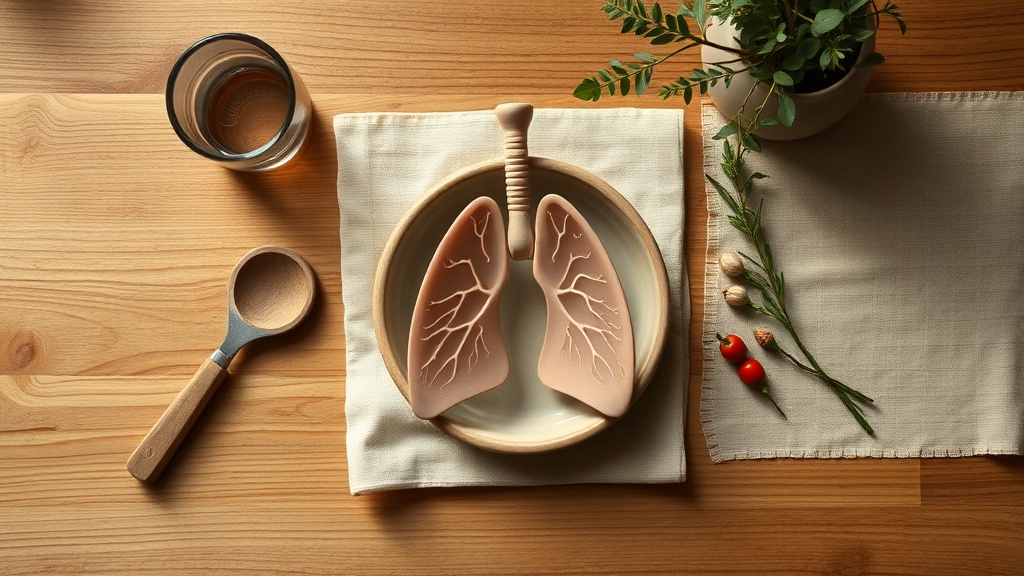
Autopsies Confirm Microplastics Lodged in Human Lungs

NonToxCo Research
Science & Safety Team · 4/7/2026
They opened up human lungs and found microplastics embedded in the tissue. It's not theoretical anymore. It's pathology.
Confirmed in Human Autopsies
A 2026 review in Microplastics summarized the evidence: human autopsy studies confirm that micro- and nanoplastics are retained in lung tissue. The particles get in through breathing and they stay.
What Plastics Do to Your Lungs
Lab and animal studies show microplastics cause inflammation, fibrosis (scarring), tissue remodeling, and interference with lung surfactant (the substance that keeps your air sacs from collapsing). All of these are pathways to chronic lung disease.
The damage looks similar to what you'd see in occupational lung diseases caused by inhaling particles over years.
The Research Gap
The review notes that most lab studies use high doses of polystyrene spheres, which don't represent what people actually breathe. Real-world microplastics are irregular, weathered, and come in many polymer types. The actual damage could be different from what's been measured so far.
What You Can Do
Use a HEPA air purifier. Reduce synthetic textiles that shed fibers. Avoid burning plastic. Ventilate your home. And explore non-toxic home essentials to cut down on indoor sources of airborne plastic.
Also see non-toxic kitchen essentials for safer alternatives.