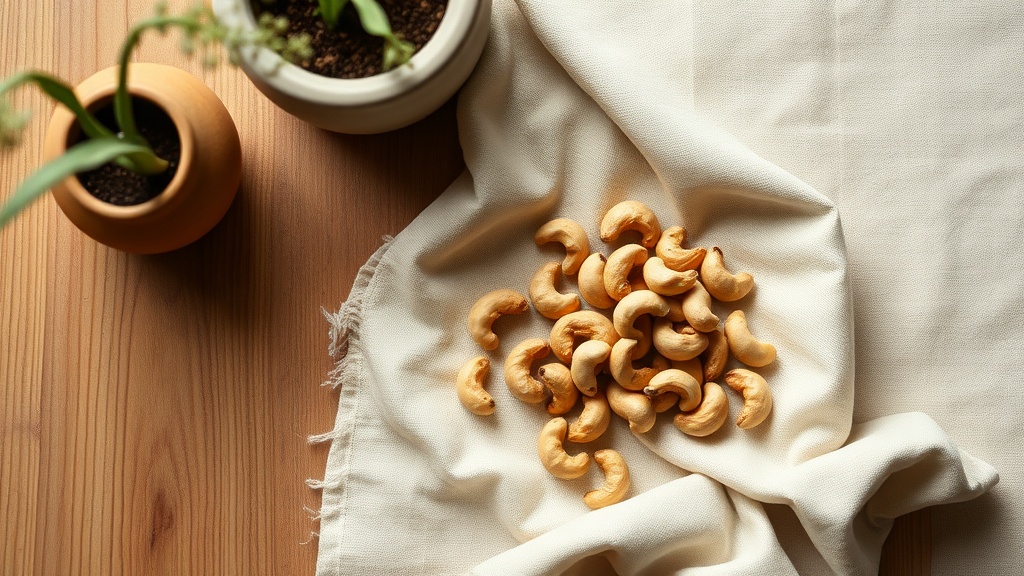
Roasting Cashews at High Heat Creates Cancer-Linked Chemicals

NonToxCo Research
Science & Safety Team · 4/8/2026
The higher the roasting temperature, the more acrylamide and other toxic compounds form in your cashews. And 170°C (338°F) is where things get bad.
Temperature Is Everything
Researchers roasted cashews at 130°C, 150°C, and 170°C and measured three categories of heat-generated contaminants: acrylamide (AA), 5-HMF, and advanced glycation end-products (AGEs). All three rose significantly with temperature, according to a 2026 study in Food Chem.
Acrylamide is classified as a probable human carcinogen. AGEs are linked to inflammation, diabetes, and aging. 5-HMF is a marker of thermal damage. The study found all three increased together as temperature climbed, alongside reactive intermediates like glyoxal and methylglyoxal.
Lower Heat Means Less Poison
Roasting at 130°C kept contaminant levels much lower, but it also produced less flavor and color development. The researchers built a model to find the sweet spot between safety and taste, showing that moderate temperatures offer the best balance.
What You Can Do
Choose raw or lightly roasted nuts when possible. If you roast at home, keep temperatures moderate. Read labels: "dark roasted" means higher contaminant levels. And pair healthier snacking with non-toxic kitchen alternatives for safer food prep.
Also see glass food containers for safer alternatives.