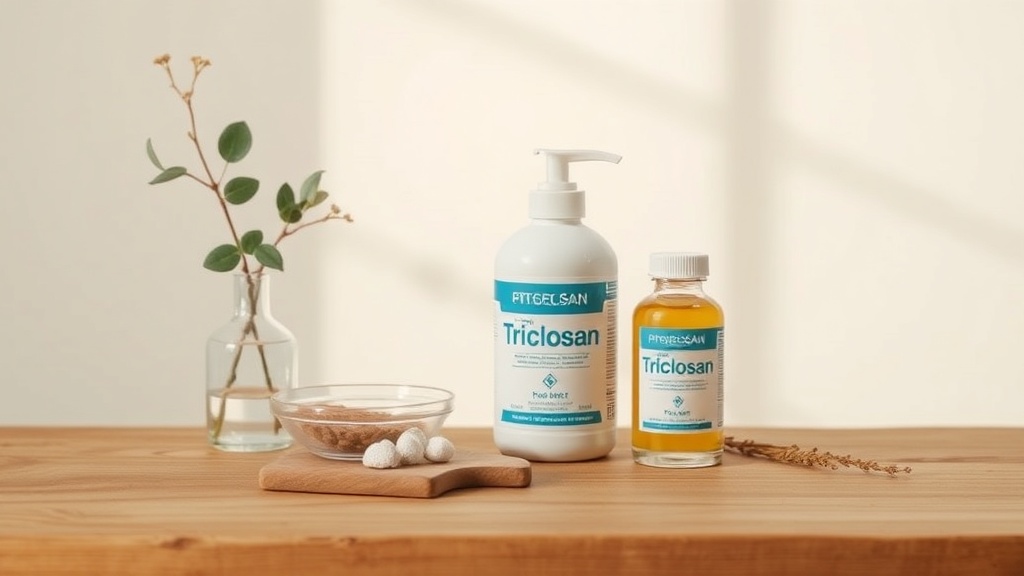
Triclosan, Gestational Diabetes Risk, and Pregnancy Safety

NonToxCo Research
Science & Safety Team · 3/30/2026
The Hidden Link to Pregnancy Complications
You are likely trying to avoid harsh chemicals while pregnant, but some of the most common ones are hiding in plain sight. Recent research published in the Journal of the American Academy of Dermatology highlights the systemic impact of chemical exposure, specifically focusing on how high-dose pharmaceutical interventions and environmental triggers can disrupt endocrine health. While the study primarily examines upadacitinib at 45 mg daily for refractory atopic dermatitis, it underscores a broader reality: the chemicals we interact with daily have measurable, often negative, impacts on our metabolic function during pregnancy (PMID: 41692218).
Understanding the Metabolic Risk
When we talk about the triclosan gestational diabetes risk, we are talking about endocrine disruption. Triclosan is a common antimicrobial agent found in soaps, toothpastes, and household cleaners. Studies have consistently shown that exposure to these types of compounds can interfere with glucose metabolism. When your body is already managing the complex hormonal shifts of pregnancy, these additional chemical stressors can tip the scales, potentially increasing the risk of gestational diabetes.
Taking Control of Your Environment
You cannot control every environmental factor, but you can control what enters your home. Start by auditing your bathroom and cleaning cabinets. Look for triclosan on ingredient labels and ditch products that contain it. You do not need harsh antimicrobial chemicals to keep your home clean or your skin healthy. It is entirely possible to maintain a safe, clean household using simple, transparently sourced ingredients. If you are preparing your home for a new arrival, focus on non-toxic baby alternatives that prioritize safety over aggressive chemical additives. Small, intentional swaps are the most effective way to reduce your toxic load.