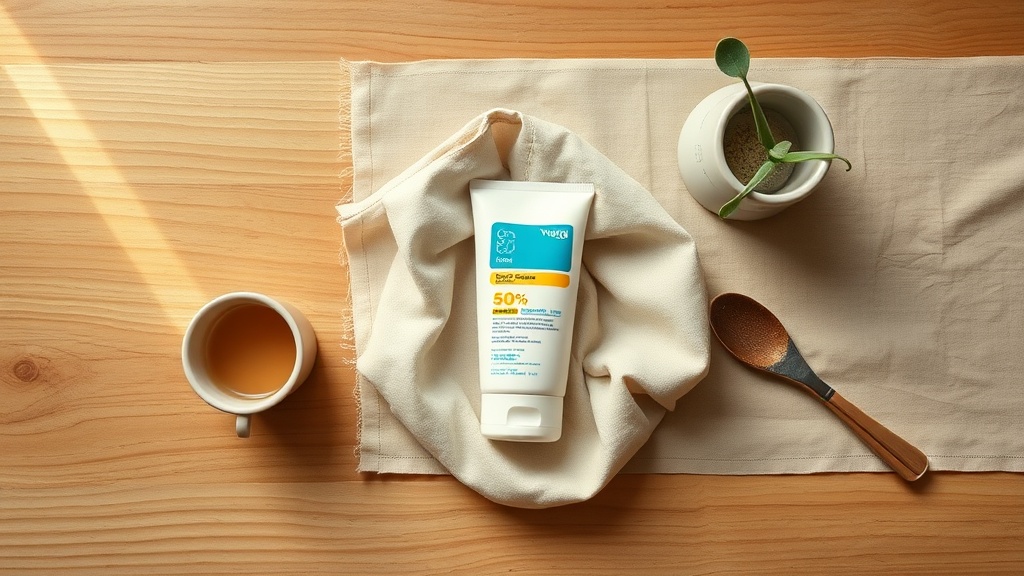
Are baby and kid sunscreens hiding ingredients you should worry about?
Often yes. Many top-selling kids' sunscreens contain chemical filters that absorb through skin.
What's actually in it
Sunscreens for kids come in two main types. Mineral sunscreens use zinc oxide or titanium dioxide to bounce light off the skin. Chemical sunscreens use ingredients like oxybenzone, avobenzone, or octocrylene that soak into the skin and absorb UV. Babies and toddlers have thinner skin and a higher surface-to-weight ratio, so what goes on goes in faster.
What the research says
A 2026 study in Pediatr Dermatol looked at the ingredient lists and the marketing on top-selling baby and child sunscreens. Many products labeled "for babies" or "gentle" still contained chemical UV filters and added fragrance. Other studies have shown oxybenzone and similar filters show up in kids' blood after a day at the beach.
Pick a sunscreen where the only active ingredient is zinc oxide, ideally non-nano. Skip sprays. Skip strong fragrance. For babies under 6 months, shade and lightweight long sleeves do more than any lotion. For everyone older, reapply every 2 hours and after swimming.
The research at a glance
| Study | Journal | Year |
|---|---|---|
| Analysis of Popular Sunscreens for Babies and Children: Ingredient Profiles and Marketing Tactics | Pediatr Dermatol | 2026 |
What to use instead
Browse our vetted, non-toxic alternatives. Every product is third-party certified.
Shop Non-Toxic Baby