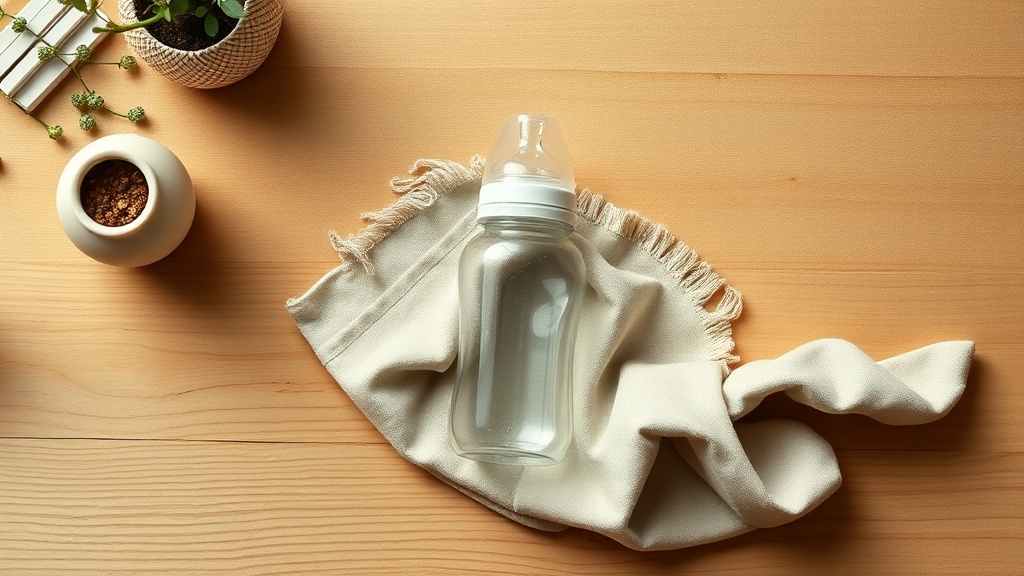
Are plastic baby bottles safe to use if they are labeled BPA-free but contain bisphenol analogues like BPS?
No. Labels like BPA-free simply mean the manufacturer swapped in bisphenol analogues like BPS, which peer-reviewed research links to reproductive and developmental health risks.
What's actually in it
When a bottle is labeled BPA-free, it doesn't mean it is free of harmful chemicals. It means the company replaced Bisphenol A (BPA) with other chemicals known as bisphenol analogues. These include substances like BPS and BPF.
These chemicals are not just sitting in the plastic. They can leach into your baby's milk or formula. Once they get into the body, they act as endocrine disruptors. This means they interfere with the body's natural hormones, which are critical for a baby's growth and development.
What the research says
The science shows these substitutes are not a safe alternative. A 2026 study in Arch Med Res found that BPA and its analogues impact epigenetics. This can lead to long-term reproductive disorders in both females and males.
Other peer-reviewed research highlights the severity of these exposures. A 2026 study in Environ Health linked these emerging substitutes to subfecundity in couples. Furthermore, a 2026 study in Ecotoxicol Environ Saf explored how exposure to these analogues affects survival rates in serious health conditions like ovarian cancer.
These studies confirm that replacing one bisphenol with another does not solve the problem. Your baby is still being exposed to chemicals that disrupt how their body develops and functions.
The research at a glance
What to use instead
Browse our vetted, non-toxic alternatives. Every product is third-party certified.
Shop Non-Toxic Baby