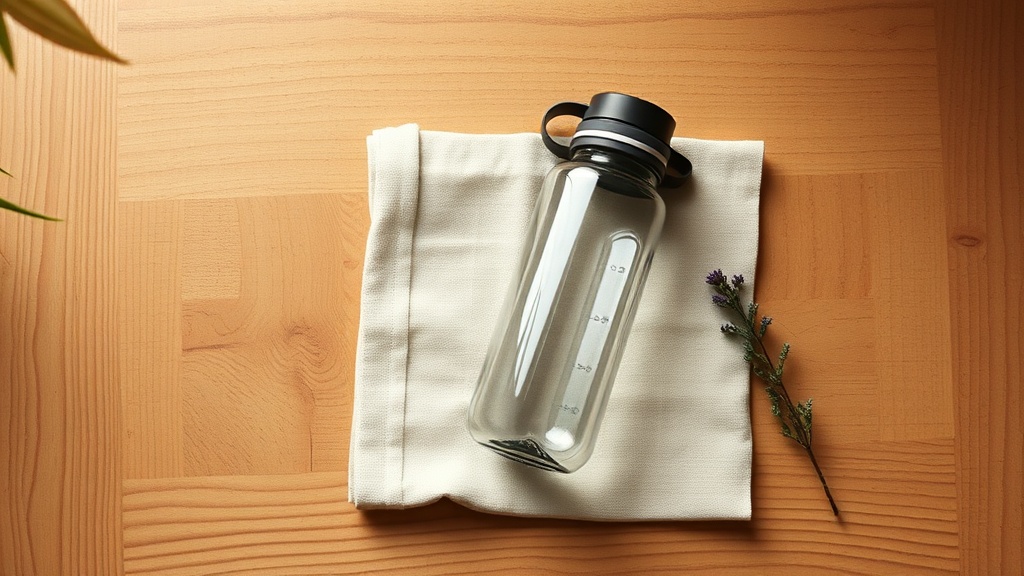
Are BPA-free water bottles truly safe for everyday use?
No. Even without BPA, plastic bottles shed microplastics and nanoplastics into your water every time you use them, according to peer-reviewed research.
What's actually in it
Many people switch to BPA-free bottles to avoid specific chemicals, but the material itself remains a problem. Most of these bottles are made from PET (polyethylene terephthalate) plastic. This plastic is not a solid, stable container. It is a source of pollution for the water you drink.
When you store or handle these bottles, they break down. This process releases nano- and microplastics directly into your water. You aren't just drinking water. You are drinking tiny particles of plastic that shed from the bottle walls.
What the research says
A 2026 study in Water Res found that the everyday storage and handling of PET plastic water bottles increases human exposure to these plastic particles. The science is clear: the more you use these bottles, the more you are exposed to plastic debris.
This peer-reviewed research confirms that simply avoiding BPA does not make a plastic bottle safe. The physical breakdown of the plastic container itself is a constant, unavoidable risk for anyone using these products daily.
The research at a glance
What to use instead
Browse our vetted, non-toxic alternatives. Every product is third-party certified.
Shop Non-Toxic Kitchen