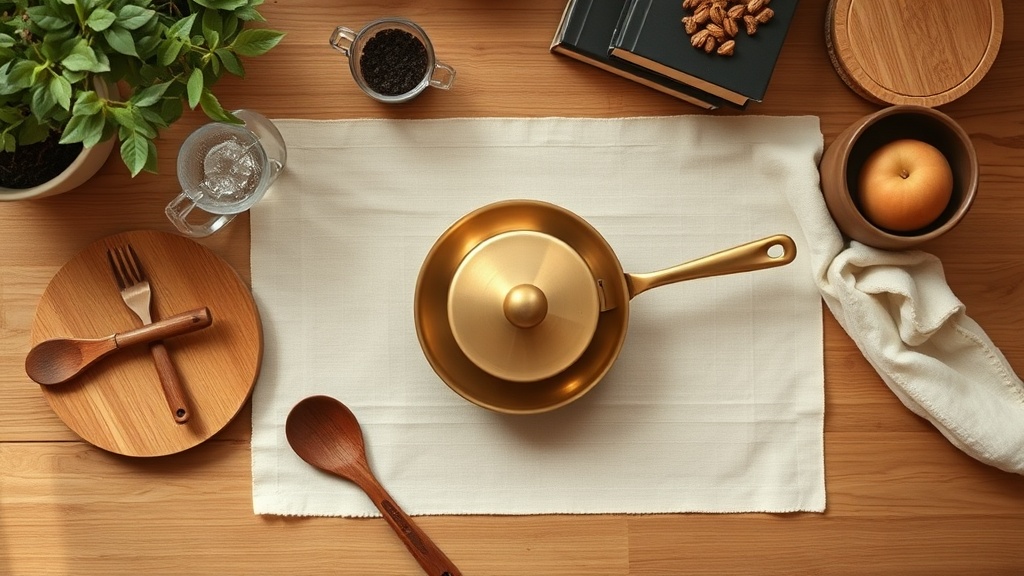
Are brass cooking handis and pots safe during pregnancy?
No. Some brass pots tested in a 2025 study leached lead at levels that can raise a baby's blood lead before birth.
What's actually in it
Traditional brass handis and pots, especially those sold in ethnic markets or brought from overseas, can be made with recycled metal that contains lead. A tin coating inside is supposed to block leaching, but the coating wears thin with use. Once it thins, acidic foods (tomatoes, yogurt, vinegar) pull lead straight out.
Pregnancy is the riskiest window for lead. Lead crosses the placenta and accumulates in the developing baby's brain and bones. There's no safe level. Even low exposures are linked to lower birth weight, preterm birth, and lower IQ.
What the research says
A 2025 study in J Expo Sci Environ Epidemiol tested metal cookware from ethnic markets, including brass handis and pressure cookers. Several released lead at levels above federal drinking water limits into acidic cooking solutions. A single serving from one pot contained enough lead to raise a child's blood lead level in a measurable way.
During pregnancy, swap brass and unknown-origin aluminum for stainless steel, cast iron, or enameled cast iron. If you have a family brass handi you love, use it only for dry roasting spices, never for wet or acidic cooking.
The research at a glance
| Study | Journal | Year |
|---|---|---|
| Evaluating metal cookware as a source of lead exposure. | J Expo Sci Environ Epidemiol | 2025 |
What to use instead
Browse our vetted, non-toxic alternatives. Every product is third-party certified.
Shop Non-Toxic Kitchen