Are coated baby clothes safe?
Use caution with stain-resistant, water-repellent, or heavily finished baby clothing. Performance coatings can add PFAS or other finish chemistry, and babies do not need those coatings against skin for daily wear.
Coated baby clothes deserve extra scrutiny because they put added textile chemistry directly against skin. Stain resistance, water repellency, and easy-care finishes can be useful for outerwear. They are rarely needed for everyday baby layers.
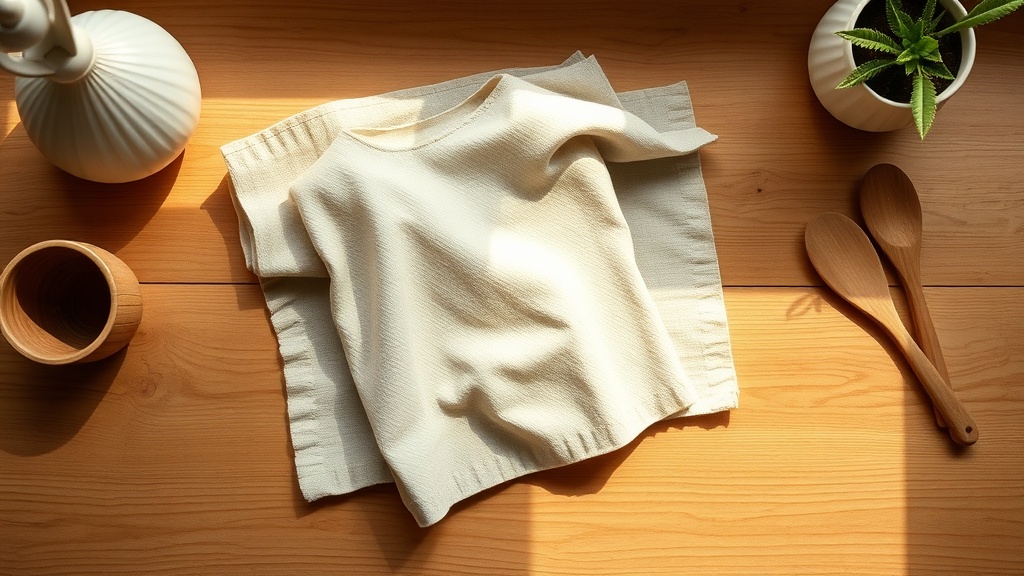
The better default is simple: soft, washable cotton basics without performance claims. Baby clothes get spit-up, food, and diaper mess on them. They do not need to act like outdoor gear.
What the evidence says
A 2016 Environment International review explains that durable water-repellent textile finishes can use fluorinated or non-fluorinated chemistry, and that impurities or degradation products can be released. A 2022 Environmental Science & Technology study found PFAS release from weathered functional textiles treated with side-chain fluorinated polymers. A 2026 ACS Environmental Au study found that coatings changed microplastic fiber release during laundering of polyester fabrics.
What to choose
- Prefer organic cotton for base layers, pajamas, and swaddles.
- Skip stain-resistant and water-repellent finishes for daily wear.
- Wash new clothes before first use.
- Use coated outerwear only when the function is truly needed, then keep it off the sleep surface.
This page fits NonToxCo baby basics because the useful swap is simple cotton, not a fear-based closet purge.
The research at a glance
What to use instead
Choose simple organic cotton baby basics when stain-resistant or water-repellent coatings are not needed.
Shop Non-Toxic Baby