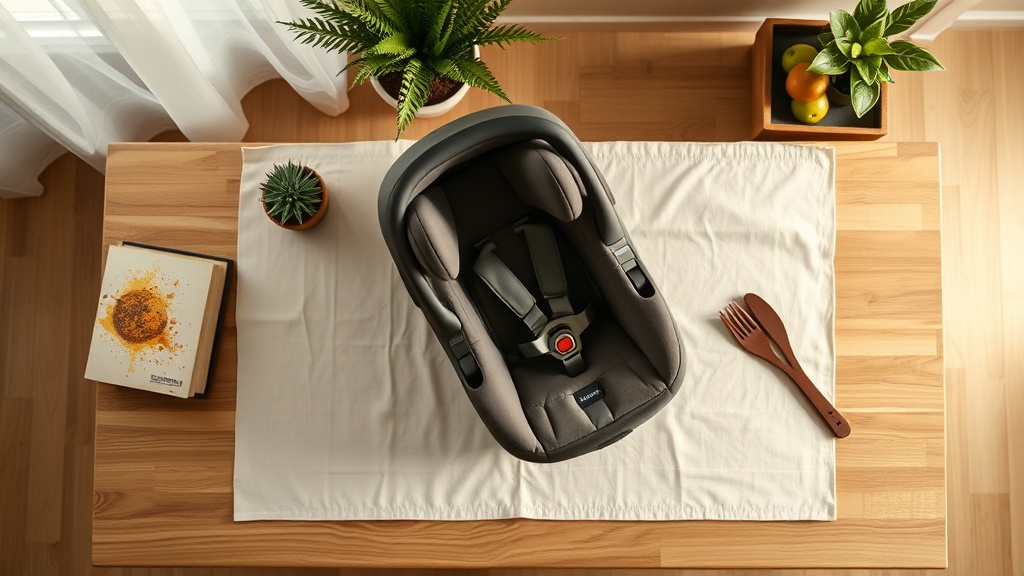
Are flame retardants in baby car seats toxic?
Flame retardants are linked to developmental and health issues in children, making them a significant concern for parents. Peer-reviewed research shows these chemicals are not inert and can impact long-term health.
What's actually in it
Many car seats contain organophosphate ester flame retardants and brominated flame retardants. These chemicals are added to plastic and foam to slow down fire. They don't stay in the seat. Instead, they leak out over time and get into the air and dust your baby breathes.
These additives are not just in car seats. They are common in household dust, as shown in a 2026 study in J Expo Sci Environ Epidemiol. Because babies spend so much time in their car seats, they are often in direct contact with these materials.
What the research says
The science is clear: these chemicals are linked to serious health outcomes. A 2026 study in Environ Res found that exposure to organophosphate ester flame retardants during pregnancy is associated with changes in child growth, including weight and height, through age 10.
Beyond physical growth, these chemicals affect the brain. A 2026 study in Environ Pollut linked prenatal exposure to these same flame retardants to issues with child cognition. Additionally, a 2026 study in Sci Total Environ identified a connection between brominated flame retardants and the development of allergies in children.
This peer-reviewed research confirms that these substances are not safe for developing bodies. When you choose products for your baby, it is critical to look for seats that are made without these chemical additives.
The research at a glance
What to use instead
Browse our vetted, non-toxic alternatives. Every product is third-party certified.
Shop Non-Toxic Baby