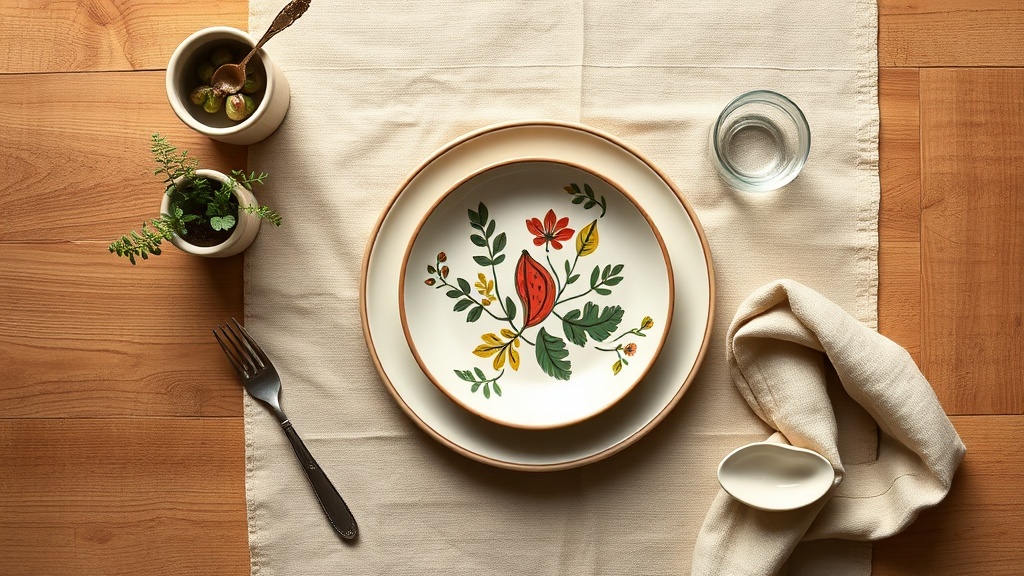
Are hand-painted ceramic dishes from Mexico safe to eat off daily?
Not unless they are verified lead-free. Traditional glazed pottery can release lead into food and drinks.
Short answer
Do not use hand-painted or traditional glazed ceramic dishes for daily food unless they are verified lead-free. Use them for display, or test them before food use. Acidic foods like salsa, lime, and tomato are the biggest concern.
What the research says
FDA guidance says traditional pottery from several Mexican manufacturers labeled lead-free has still contained extractable lead at levels comparable to lead-glazed pottery. A 2025 Journal of Hazardous Materials study measured lead and cadmium migration from ceramic mugs, especially from decorated rim areas. CDC reported a family lead-poisoning case linked to traditional glazed ceramic ware purchased in Mexico.
What to do at home
Keep bright, hand-painted, imported, or heirloom ceramics for display unless you have proof they pass food-contact lead testing. For daily meals, use plain porcelain, clear glass, stainless steel, or certified lead-free ceramic.