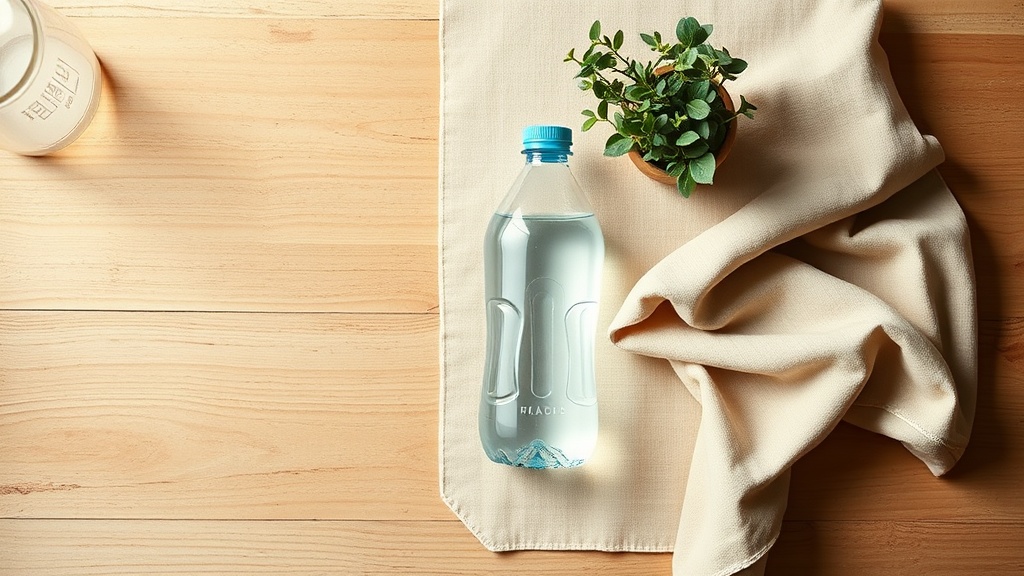
Do microplastics in bottled water pose health risks to children?
caution
What's actually in it
Bottled water is not just water. It is a delivery system for nano- and microplastics. When you store or handle PET (polyethylene terephthalate) plastic bottles, these tiny particles break off and end up in the water you drink. According to a 2026 study in Water Res, everyday storage and handling habits directly increase your exposure to these materials.
These particles are not inert. They are synthetic materials that enter the body through ingestion. Once inside, they can accumulate in the body, creating a persistent internal exposure that is worth paying attention to for developing systems.
What the research says
The science is clear that children are uniquely vulnerable to these contaminants. A 2026 study in Environ Pollut found that children face a higher risk from microplastic accumulation in the food web compared to adults. This research highlights that the biological impact of these particles is more severe during childhood development.
Beyond bottled water, the environment is saturated with these pollutants. A 2026 study in Regul Toxicol Pharmacol notes that atmospheric microplastics represent a clear human exposure pathway. a 2026 study in Water Res confirms that microplastics have successfully hacked our water supply systems, meaning that the risk is not limited to just one source. The evidence shows that we are consuming these plastics daily, and for children, the health implications are a serious concern.
The research at a glance
What to use instead
Browse our vetted, non-toxic alternatives. Every product is third-party certified.
Shop Non-Toxic Kitchen