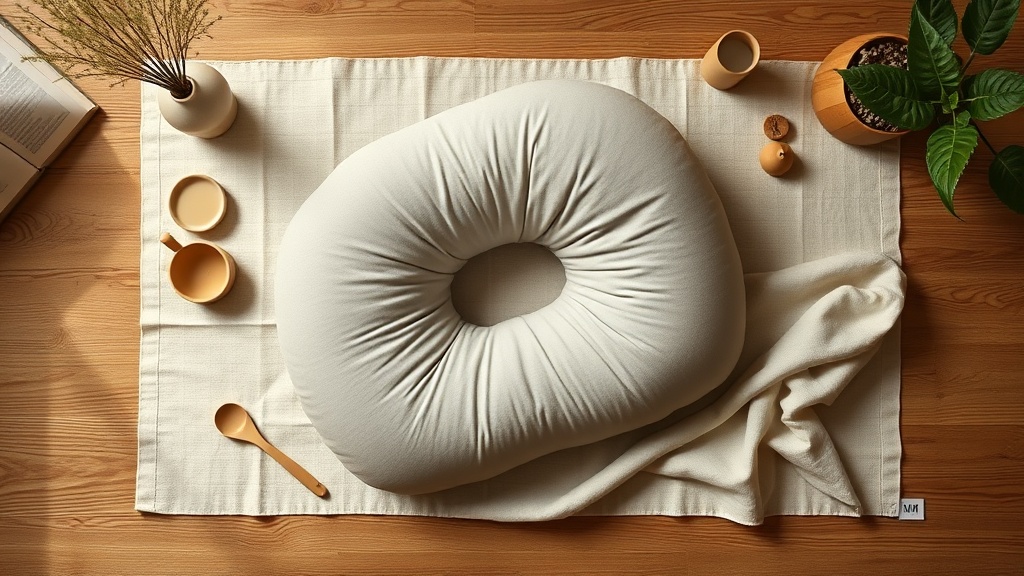
Are flame retardants in nursing pillows and baby loungers safe during pregnancy?
avoid
What's actually in it
Nursing pillows, baby loungers, and foam play mats often contain polyurethane foam. To meet fire safety standards, manufacturers treat this foam with flame retardant chemicals. One common class is organophosphate esters (OPEs). These chemicals slowly migrate out of the foam and into household dust, where pregnant women and babies breathe them in or absorb them through skin contact.
You can't tell by looking at a product whether it contains OPEs. They don't have a smell or visible coating. But they're in the foam itself, and they get released over time, especially when the product is new.
What the research says
A 2026 study in Environ Toxicol Pharmacol examined the effects of prenatal exposure to organophosphate esters on both mothers and newborns. The researchers found evidence of sex-specific risks. Male newborns appeared to be more vulnerable than female newborns, with measurable impacts on neonatal health markers.
OPEs can cross the placenta, meaning whatever the pregnant mother is exposed to can reach the developing baby. The study found associations between OPE exposure and changes in maternal and neonatal health outcomes, adding to growing evidence that these chemicals aren't as safe as once thought.
OPEs replaced older flame retardants (like PBDEs) that were banned for being toxic. But research now shows the replacements may cause similar problems. It's a pattern called "regrettable substitution," where one harmful chemical gets swapped for another that hasn't been fully tested.
If you're pregnant, look for nursing pillows and loungers that are flame-retardant-free. Some brands now use naturally fire-resistant materials like wool or organic cotton instead of treated foam. Airing out new foam products before use can also reduce initial exposure.
The research at a glance
| Study | Journal | Year |
|---|---|---|
| Prenatal exposure to organophosphate esters: Evidence of sex-specific risks for maternal and neonatal health | Environ Toxicol Pharmacol | 2026 |
What to use instead
Browse our vetted, non-toxic alternatives. Every product is third-party certified.
Shop Non-Toxic Baby