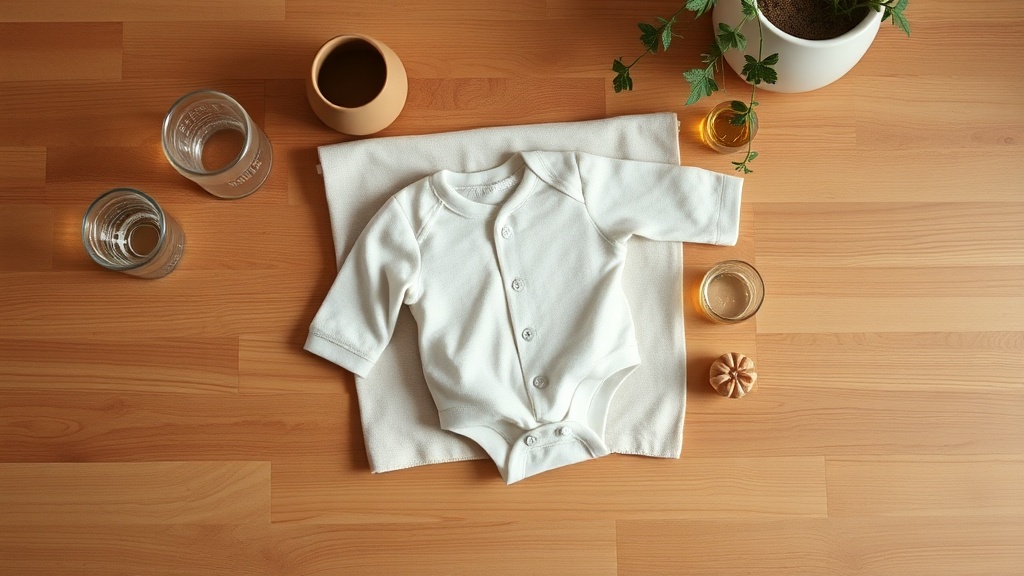
Are PFAS in baby clothing dangerous for infants?
Yes. Peer-reviewed research shows a clear link between the use of outdoor clothing and higher levels of PFAS in the blood.
What's actually in it
Many outdoor clothes contain PFAS (per- and polyfluoroalkyl substances). These are synthetic chemicals used to make fabrics water-resistant and stain-proof. Manufacturers often treat baby gear with these chemicals to handle spills and weather.
The problem is that these chemicals don't stay in the fabric. They can shed or rub off onto your baby's skin. Once they enter the body, they stay there for a long time. They are not just sitting on the surface of the clothes: they are moving into the bloodstream.
What the research says
A 2026 study in Ann Occup Environ Med found a direct link between the use of outdoor clothing and higher levels of PFAS in the blood. This peer-reviewed study analyzed data from the Korean National Environmental Health Survey to see how clothing choices impact chemical levels in the body.
The science is clear: wearing treated clothing leads to higher internal exposure. Because infants have smaller bodies and are still developing, they are more sensitive to these chemicals than adults. When you choose clothes treated for water resistance, you are likely increasing your baby's exposure to these harmful substances.
The research at a glance
| Study | Journal | Year |
|---|---|---|
| Association between outdoor clothing use and serum perfluoroalkyl substances (PFAS): Korean National Environmental Health Survey cycle 4. | Ann Occup Environ Med | 2026 |
What to use instead
Browse our vetted, non-toxic alternatives. Every product is third-party certified.
Shop Non-Toxic Baby