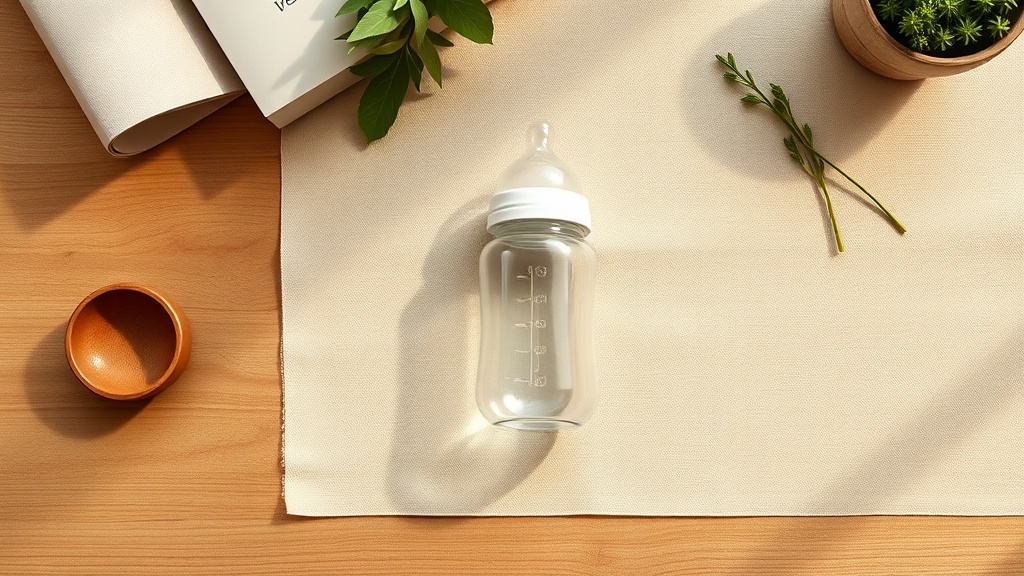
Are plastic baby bottles safe if they contain bisphenol analogues?
No. Research shows that bisphenol analogues are linked to inflammatory responses and serious health risks, making them unsafe for use in baby bottles.
What's actually in it
When you see labels claiming a product is BPA-free, manufacturers often use bisphenol analogues instead. These are chemicals like BPS, BPF, and BPAF. They are designed to mimic the properties of BPA, but they are not a safe alternative.
Plastic products, including those used for food and drink, can shed microplastics that contain these bisphenols. According to a 2026 study in Environ Pollut, these mixtures can trigger inflammatory responses in human cells. You are not just buying a piece of plastic; you are buying a product that can leach these chemicals directly into your baby's milk or formula.
What the research says
The science is clear: these chemicals are linked to significant health issues. A 2026 study in Ecotoxicol Environ Saf explored the link between bisphenol analogues and survival rates for serious health conditions, highlighting the danger of ongoing exposure.
The risks are not limited to one area of health. A 2026 study in Environ Int found a connection between exposure to these analogues and a higher risk of anemia in young adults. Furthermore, a 2026 study in Food Chem Toxicol performed a cumulative risk assessment, confirming that these chemicals build up in the body through daily use. When you use plastic bottles, you are exposing your child to a cocktail of chemicals that peer-reviewed research has consistently flagged as harmful.
The research at a glance
What to use instead
Browse our vetted, non-toxic alternatives. Every product is third-party certified.
Shop Non-Toxic Baby