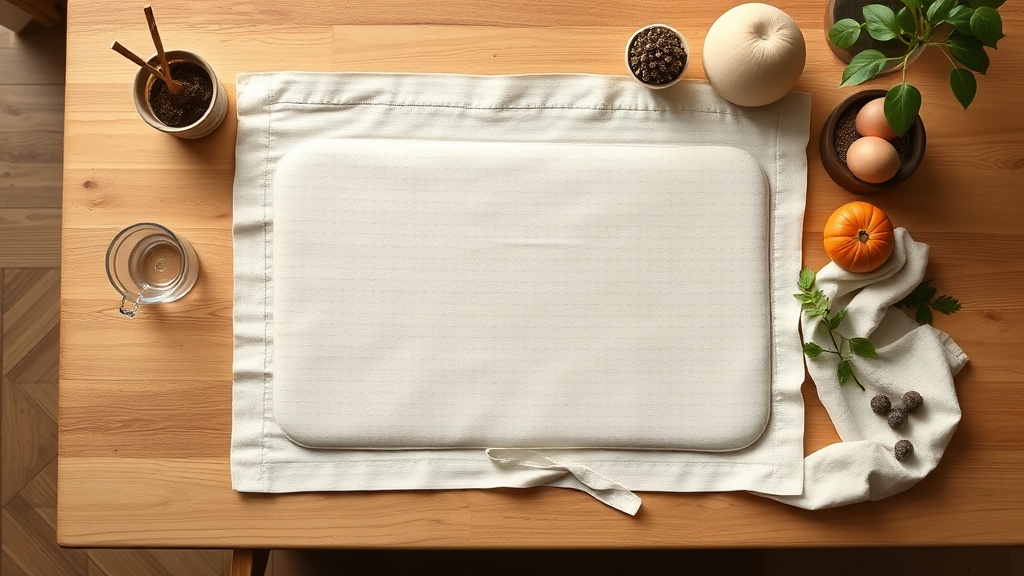
Do plastic changing mats release phthalates that babies can absorb through skin?
We do not have enough data to confirm the safety of plastic changing mats, but peer-reviewed research confirms that plastic additives are commonly found in products that touch a baby's skin.
What's actually in it
Plastic changing mats are typically made from synthetic polymers that rely on plasticizers to stay soft and flexible. These additives are not chemically bound to the plastic. This means they can easily move out of the material and onto your baby's skin or into the air.
While many parents focus on what their baby eats, the skin is an active barrier that can absorb chemicals. Phthalates are a common class of chemicals used to make plastic soft. When a baby lies on a plastic mat, they are in direct, prolonged contact with these materials.
What the research says
While specific studies on changing mats are limited, a 2026 study in Environ Int highlights the presence of various plastic additives in products designed for baby skincare. This research confirms that infants are frequently exposed to chemical additives through products that touch their skin.
Other peer-reviewed research demonstrates that plastic products are not inert. For example, a 2026 study in Environ Sci Process Impacts shows how microplastics and chemical components release from plastic materials under heat and stress. Similarly, a 2026 study in Sci Total Environ confirms that physical contact and friction cause plastic materials to shed particles. When your baby moves on a changing mat, they create friction that can speed up the release of these chemicals directly onto their skin.
The research at a glance
| Study | Journal | Year |
|---|---|---|
| Suspect screening of plastic additives in baby skincare products. | Environ Int | 2026 |
| Brewing plastics: OCT reveals microplastic release from nylon tea bags in simulated brewed tea infusions. | Environ Sci Process Impacts | 2026 |
| Investigating microplastic release from plastic grinder heads during salt grinding. | Sci Total Environ | 2026 |
What to use instead
Browse our vetted, non-toxic alternatives. Every product is third-party certified.
Shop Non-Toxic Baby