Are plastic cutting boards safe for raw meat and vegetables?
Caution. Plastic cutting boards shed microplastics into food, especially when cut. New research shows millions of particles enter food per use.
What's actually in it
When a knife cuts into a plastic cutting board, it shaves off tiny pieces of the plastic surface. These pieces, ranging from microplastics to nanoplastics, stay on the food you just cut and are eaten along with the meal. Older, grooved cutting boards with knife marks shed far more particles than new boards because the grooves create more surface area.
The number of particles shed per cutting session depends on the plastic type and how worn the board is. High-density polyethylene (HDPE) and polypropylene (PP) are the most common materials, and both shed particles when cut.
What the research says
A 2023 study published in Environmental Science and Technology found that plastic cutting boards shed between 7 and 50 million microplastic particles per year under normal use conditions. A 2026 review in 3 Biotech confirmed that microplastics from food contact materials including cutting boards cause gut inflammation and barrier disruption at concentrations consistent with dietary exposure.
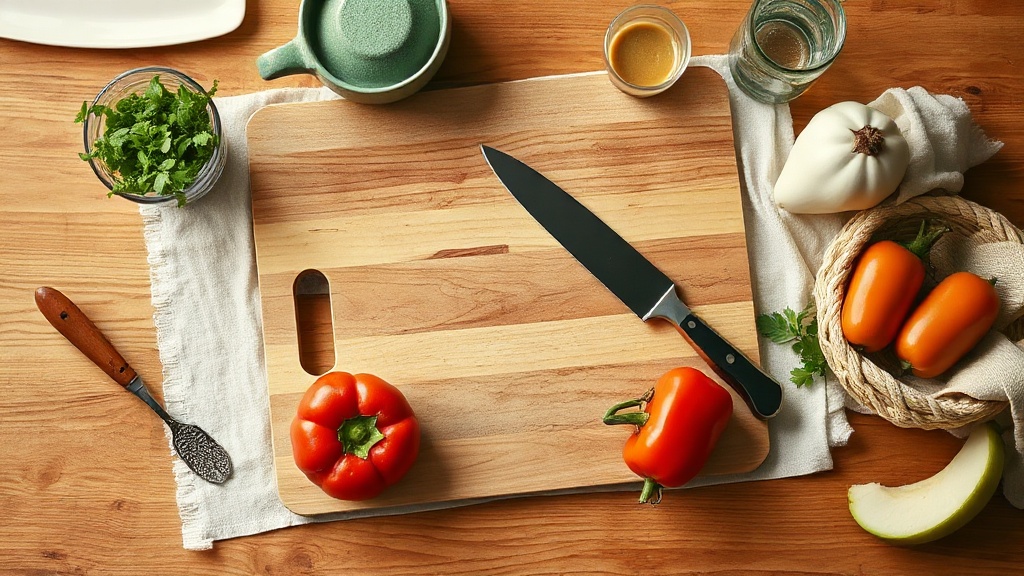
Wooden and bamboo cutting boards shed wood fibers when cut, but wood fibers are biodegradable and not associated with the same health effects as synthetic plastic particles. For raw meat and vegetables alike, wood or bamboo is safer than plastic.
The research at a glance
| Study | Journal | Year |
|---|---|---|
| Microplastic exposure and human health | 3 Biotech | 2026 |
What to use instead
Browse our curated non-toxic alternatives. Every product is third-party certified.
Shop Non-Toxic Kitchen