Are plastic cutting boards safe to use every day?
Plastic boards shed microplastics when you cut on them. Use wood for daily prep and replace deeply grooved boards.
What's actually in it
Most plastic cutting boards are polyethylene or polypropylene. Every knife cut makes small grooves. Those grooves can release tiny plastic pieces into food.
Older boards shed more because the surface is already scratched. Deep cuts also hold food residue, which makes cleaning harder.
What the research says
A 2023 study in Environmental Science & Technology tested plastic cutting boards during chopping. It found polypropylene boards released more microplastics than polyethylene boards by 5% to 60% by mass and 14% to 71% by particle count.
The same study estimated annual exposure from chopping boards at 7.4 to 50.7 g of microplastics for polyethylene boards and 49.5 g for polypropylene boards. Its early cell test did not show harm over 72 hours, so the honest concern is exposure, not proven disease from one board.
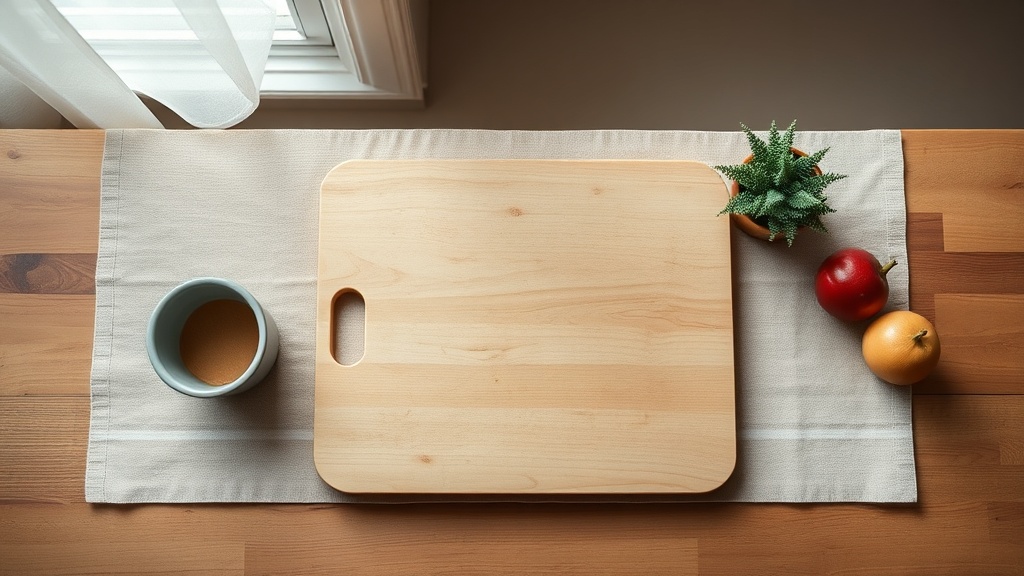
For daily prep, choose a solid wood cutting board. Wash it with soap and water, dry it upright, and oil it when it looks dry. Keep a separate board for raw meat and replace any board with deep grooves.
The research at a glance
| Study | Journal | Year |
|---|---|---|
| Cutting Boards: An Overlooked Source of Microplastics in Human Food? | Environ Sci Technol | 2023 |