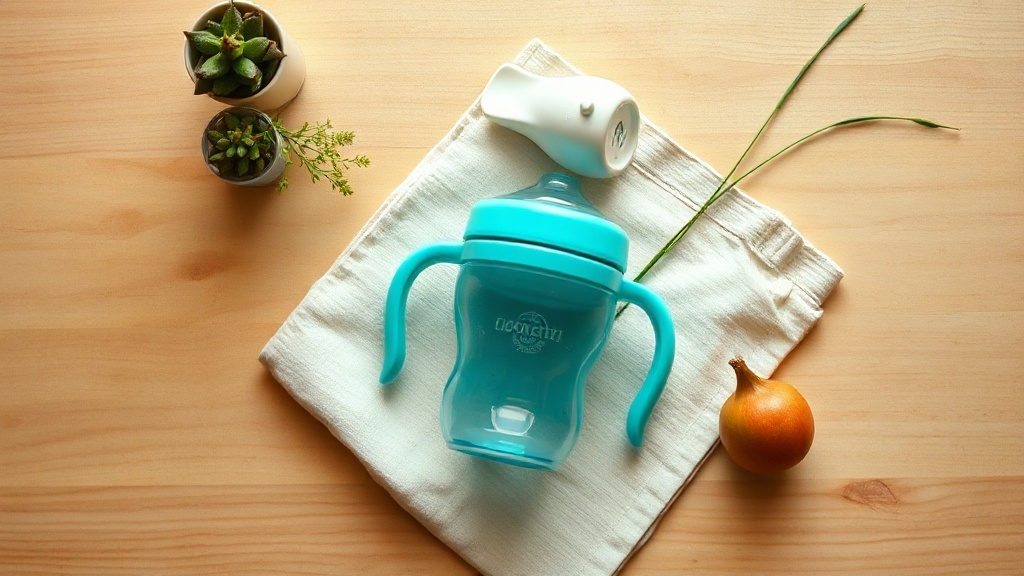
Are plastic-lined sippy cups safe for toddlers?
Caution. Most plastic sippy cups contain bisphenols and other plasticizers that migrate into drinks, especially when hot. Glass or stainless steel cups are safer.
What's actually in it
Plastic sippy cups are made from various plastics: polypropylene (PP), polyethylene (PE), Tritan copolyester, and others. Even if the cup itself is BPA-free, the internal valve, straw, or lid may be made from a different plastic that contains bisphenols or phthalates. The assembly has multiple plastic contact points, any of which can contribute to chemical exposure.
Toddlers drink many ounces per day from sippy cups over months and years, representing sustained daily exposure to whatever chemicals migrate from the plastic.
What the research says
A 2026 study on bisphenol replacements found that BPS and BPF show similar estrogenic activity to BPA, meaning "BPA-free" labeling doesn't indicate the cup is bisphenol-free or estrogenic-activity-free. Research on plastic migration consistently shows that daily sustained contact with plastic beverage containers contributes meaningfully to children's total bisphenol exposure.
Glass cups with silicone sleeves or stainless steel cups eliminate the bisphenol risk entirely. For older toddlers who can handle cups without valves, open-cup training is another option that removes plastic straws and valves from the exposure equation.
The research at a glance
| Study | Journal | Year |
|---|---|---|
| Bisphenol replacements and estrogenic activity | Food Chem Toxicol | 2026 |
What to use instead
Browse our curated non-toxic alternatives. Every product is third-party certified.
Shop Non-Toxic Baby