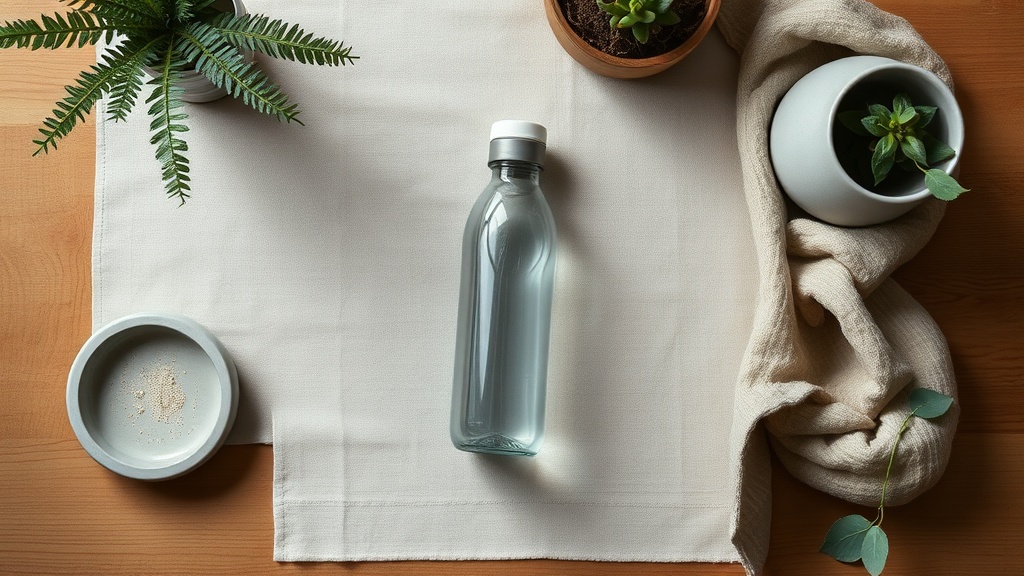
Are reusable plastic water bottles safe to refill every day?
Not really. Repeated use, warmth, and washing break down plastic and send more microparticles into your water.
What's actually in it
Reusable plastic water bottles are usually made of Tritan (copolyester), polycarbonate (older models), or HDPE. Tritan was marketed as estrogen-free and safer than BPA-based plastics, but later independent testing has questioned the estrogenic claims. All plastics shed particles over time, especially when warmed in a car, washed in the dishwasher, or dropped.
Caps and mouthpieces are the worst wear points because they grind against plastic every time you open and drink.
What the research says
A 2025 study in Environ Monit Assess measured microplastics across bottled water products and found polyethylene and PET fragments in nearly every sample. Related work on polypropylene bottles shows hot water releases many more particles than cold, and older bottles shed more than new.
If you already have a plastic bottle, keep it out of hot cars, use cold water, and replace it when the plastic gets scratched. A stainless steel or glass bottle avoids the problem entirely.
The research at a glance
| Study | Journal | Year |
|---|---|---|
| Identification and occurrence of microplastics in drinking water bottles and milk packaging. | Environ Monit Assess | 2025 |
What to use instead
Browse our vetted, non-toxic alternatives. Every product is third-party certified.
Shop Non-Toxic Kitchen