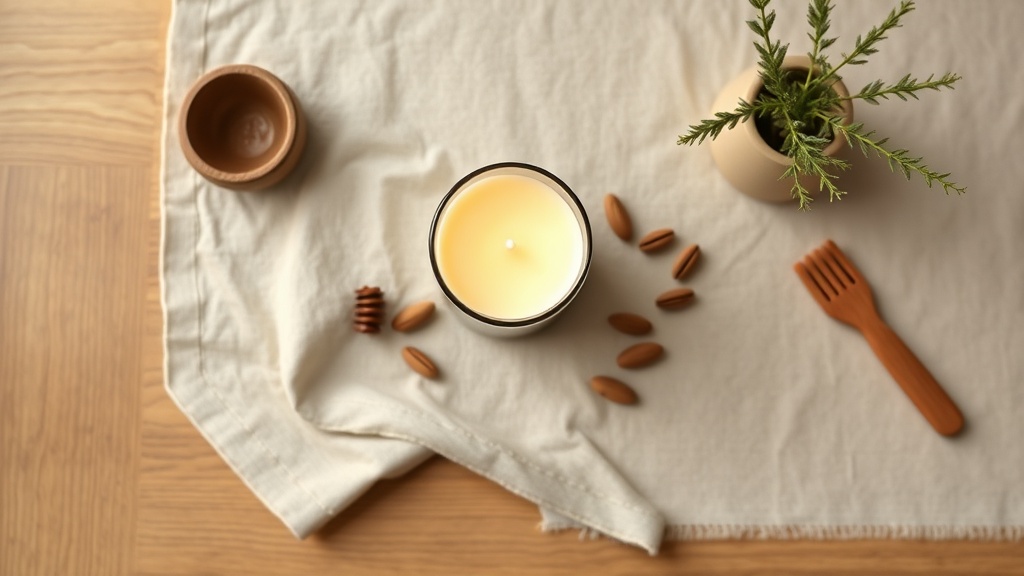
Are soy wax candles with essential oils actually safer than regular candles?
Only a little. The wax matters less than the fragrance. Essential oils produce VOCs and terpene byproducts when burned.
What's actually in it
Soy wax is cleaner-burning than paraffin, which is a petroleum byproduct. But most candle emissions come from what's added to the wax, not the wax itself. Essential oils are plant-derived mixes of terpenes like limonene, pinene, and linalool. When heated and burned, terpenes produce formaldehyde, fine particles, and secondary reaction products with indoor ozone.
"Natural" doesn't mean "inhale-safe." Terpenes are among the most reactive indoor air pollutants in a typical home.
What the research says
A 2025 study in Front Public Health tested scented candles for lung effects and found oxidative stress and lung inflammation in exposed rats. The drivers were the fragrance VOCs, regardless of the base wax. Candles with heavy essential oil loads produced similar or higher total VOCs than synthetic fragrance candles.
The cleanest light-on-a-table option is an unscented beeswax candle in a well-ventilated room. For mood and scent, an electric warmer with fresh herbs or citrus peels gives aroma without combustion byproducts.
The research at a glance
| Study | Journal | Year |
|---|---|---|
| Toxicological evaluation of volatile organic compounds emitted from scented candles. | Front Public Health | 2025 |
What to use instead
Browse our vetted, non-toxic alternatives. Every product is third-party certified.
Shop Non-Toxic Home