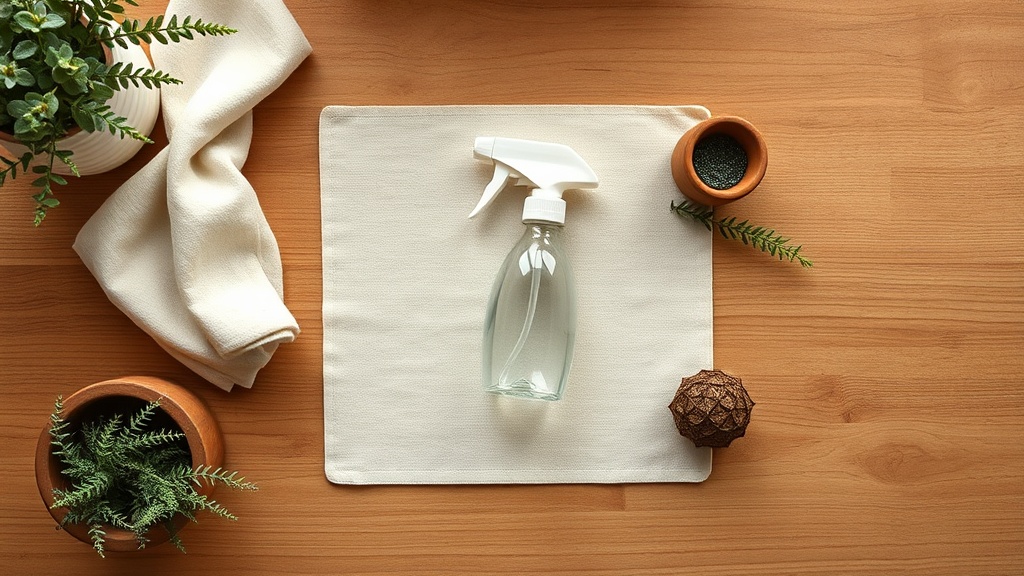
Are spray cleaning products bad for your lungs compared to non-spray alternatives?
Yes. Spray cleaners release chemicals you inhale directly. Studies link regular use to asthma and reduced lung function.
What's actually in it
Spray cleaning products turn liquid chemicals into a fine mist. When you pull the trigger, you're releasing tiny droplets of surfactants, solvents, fragrances, and disinfectants into the air. These droplets are small enough to float and be inhaled deep into your lungs.
Common ingredients in spray cleaners include quaternary ammonium compounds (quats), glycol ethers, bleach (sodium hypochlorite), and synthetic fragrances. Each of these can irritate the airways on its own. Combined in a spray, the exposure is even higher.
What the research says
A 2026 study in Environ Sci Pollut Res Int investigated which cleaning product types are most strongly linked to poor respiratory health. The researchers compared different product classes and found that spray-based cleaners were among the worst offenders. People who regularly used spray products had more respiratory symptoms than those using non-spray alternatives.
The findings match earlier research showing that professional cleaners who use sprays daily develop lung damage similar to smoking 10 to 20 cigarettes a day. Even at-home use a few times a week can add up.
The problem is the delivery method. Spraying turns chemicals into an aerosol that goes directly into your airways. Wiping the same product from a cloth puts far less chemical into the air. Fragrance-free products also reduce exposure, since synthetic fragrances are a major source of irritating VOCs.
Simple swaps help a lot. Use pump bottles or pour cleaners onto a cloth instead of spraying. Open windows while cleaning. Choose unscented products made from plant-based ingredients like vinegar and castile soap.
The research at a glance
| Study | Journal | Year |
|---|---|---|
| Cleaning products and classes associated with poor respiratory health | Environ Sci Pollut Res Int | 2026 |
What to use instead
Browse our vetted, non-toxic alternatives. Every product is third-party certified.
Shop Non-Toxic Home