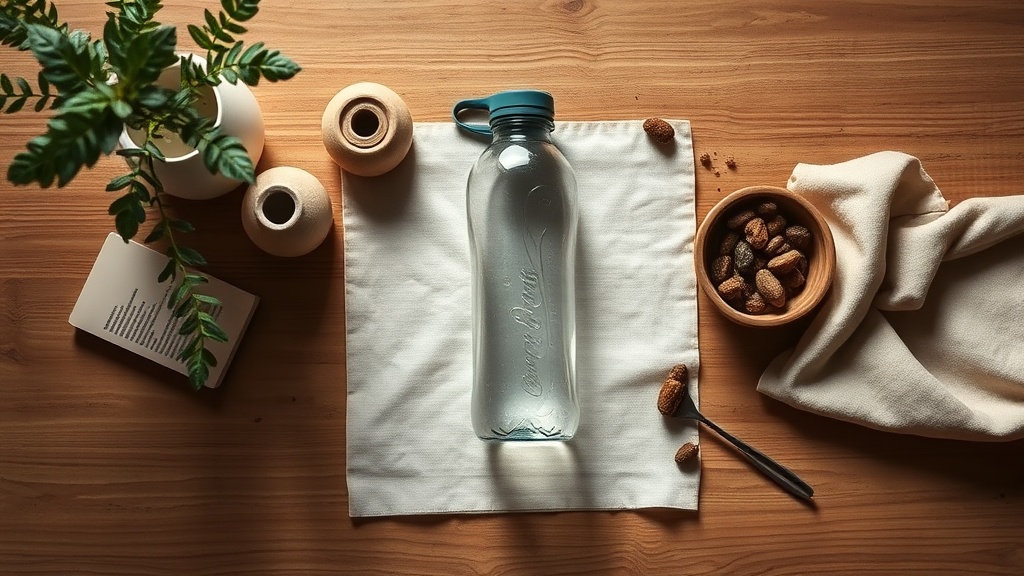
Do reusable water bottles made of Tritan plastic leach chemicals?
No. Research shows that plastic food contact materials, including those used in water bottles, can release chemicals into your food and drink, especially when heated.
What's actually in it
Plastic water bottles are not just sitting there doing nothing. They are made of complex synthetic materials that can break down over time. When you use these containers, they can release chemicals directly into your water. This process is often called leaching. It happens because the plastic structure is not as stable as it seems. When you expose these materials to heat or daily wear, they shed tiny particles and chemical compounds into the liquid you drink.
What the research says
The science on plastic safety is clear: plastic containers are not inert. A 2026 study in Food Chem used high-resolution testing to track how chemicals move from plastic food contact materials into food. The researchers found that these materials transfer chemicals during use, particularly after being heated. This means your water bottle is likely adding more than just water to your body.
Furthermore, the problem of plastic particles is widespread. A 2026 study in Water Res confirmed that the everyday storage and handling of plastic bottles increases human exposure to microplastics and nanoplastics. These tiny pieces of plastic are now found throughout our water supply systems, as noted in a 2026 study in Water Res. When you choose plastic, you are choosing to increase your exposure to these materials, which are now being tracked in drinking water systems near industrial sites according to a 2026 study in J Hazard Mater.
Peer-reviewed research consistently shows that plastic is not a safe, permanent solution for holding your water. The more you use these bottles, the more you risk consuming the very materials they are made of.
The research at a glance
What to use instead
Browse our vetted, non-toxic alternatives. Every product is third-party certified.
Shop Non-Toxic Kitchen