Are wool rugs safer than synthetic carpets for babies?
Usually yes, if the wool rug has no stain repellent and no synthetic backing. Plain wool avoids plastic carpet fibers and PFAS stain treatments.
What's actually in it
Many synthetic carpets are made from nylon, polyester, or polypropylene. Stain-resistant versions can also use PFAS. Those materials can collect in floor dust, where babies spend a lot of time.
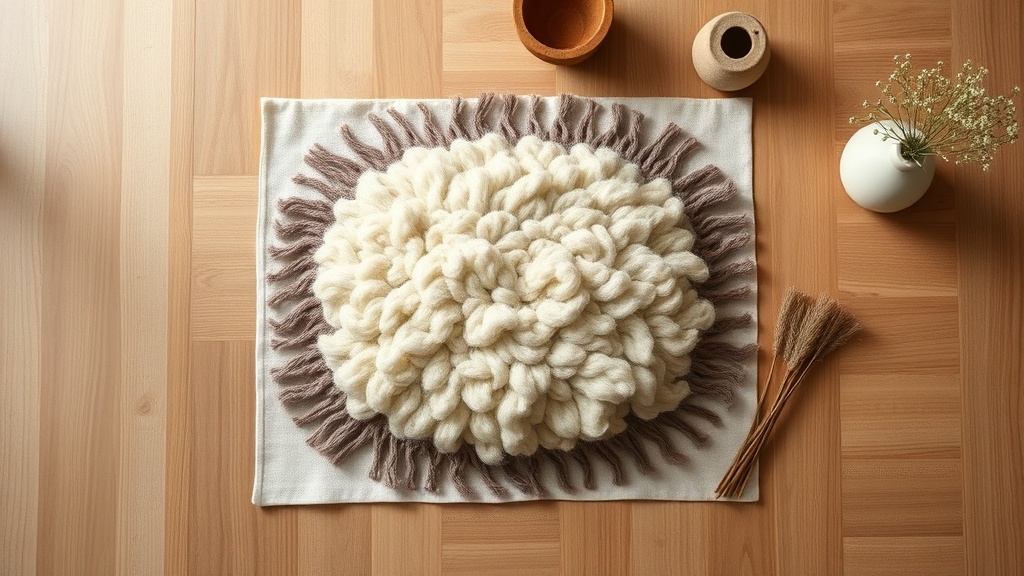
Wool is different. It is an animal fiber, not plastic. The safer pick is a plain wool rug with no PFAS stain repellent and no synthetic backing.
What the research says
A 2020 Environmental Pollution study says PFAS are used in stain-resistant carpets, rugs, and upholstery. It found PFAS in dust from childcare facilities and estimated young children's exposure through dust ingestion and skin contact.
A 2020 Chemosphere study tested paired carpet and dust samples from 18 California childcare centers. It found total PFAS in both carpets and dust, and strong links between the two.
Choose a wool rug that says no stain repellent added. Skip PVC or synthetic rubber backing. Vacuum with a HEPA filter and wash small rugs when the care label allows.
The research at a glance
| Study | Journal | Year |
|---|---|---|
| Indoor exposure to per- and polyfluoroalkyl substances (PFAS) in the childcare environment. | Environ Pollut | 2020 |
| Per- and polyfluoroalkyl substances in paired dust and carpets from childcare centers. | Chemosphere | 2020 |