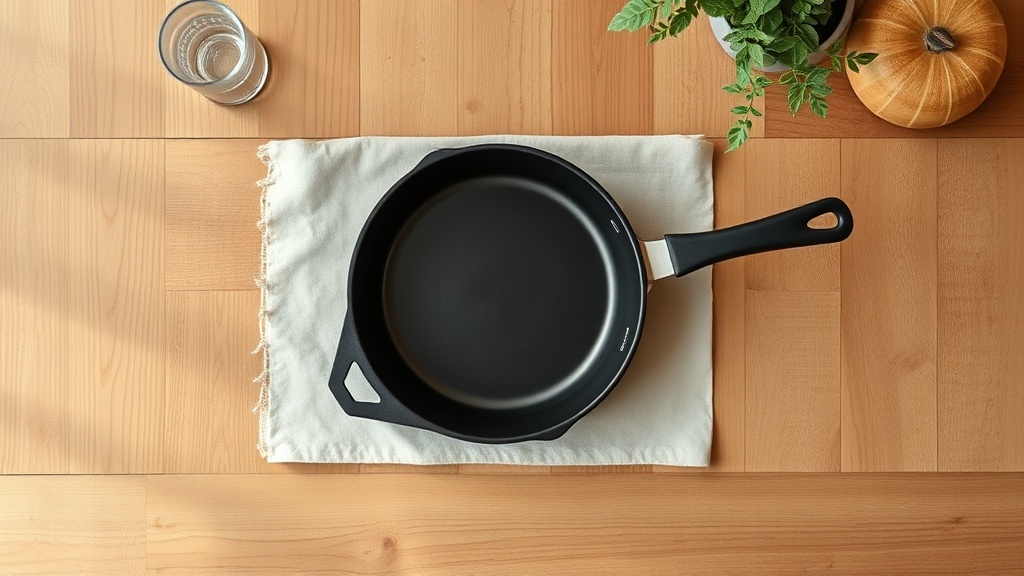
Can PFAS from nonstick cookware and food packaging cause pregnancy complications?
PFAS has known links to health effects people usually want to avoid, especially for kids and during pregnancy.
What the study actually looked at
The paper behind this page is "Are PFAS alternatives safer? A network toxicology analysis suggests comparable or novel risks for hypertensive disorders of pregnancy." You can read it in Chem Biol Interact (2026).
Short version: the research looked at how PFAS can affect the body. It did not directly test nonstick cookware and food packaging, but PFAS is one of the things people run into when they use nonstick cookware and food packaging, which is why parents ask about it.
What this means for you
If cutting back on PFAS is on your radar, the simplest move is to swap the products most likely to contain it. That is not about panic. It is about picking the easier option when a safer one exists.
One study alone will not close the case. But if you are pregnant, feeding a toddler, or just want less of this stuff around the house, steering clear of PFAS where you can is a fair call.
The bottom line
The science backs taking PFAS seriously. Picking PFAS-free options where possible is a low-effort way to cut how much of it ends up in your body.
The research at a glance
| Study | Journal | Year |
|---|---|---|
| Are PFAS alternatives safer? A network toxicology analysis suggests comparable or novel risks for hypertensive disorders of pregnancy. | Chem Biol Interact | 2026 |
What to use instead
Browse our vetted, non-toxic alternatives. Every product is third-party certified.
Shop Non-Toxic Kitchen