Can an air purifier lower your PFAS exposure at home?
caution
What's actually in it
PFAS volatilize from treated carpets, stain-resistant upholstery, waterproof clothing stored in closets, and nonstick cookware when heated. Once airborne, PFAS molecules attach to fine particulate matter (PM2.5) and circulate through your home's air. You inhale these PFAS-laden particles constantly while indoors.
Most discussions of PFAS exposure focus on food and water. But indoor air may be a bigger source than most people realize.
What the research says
A 2026 study in Environ Int measured PFAS concentrations in indoor air and PM2.5 samples from residential and commercial buildings. The researchers found detectable levels of multiple PFAS compounds in every indoor environment tested.
PFOS and fluorotelomer alcohols (precursor chemicals that break down into PFAS in the body) were the most common airborne PFAS. Higher levels correlated with the presence of stain-resistant carpets, treated furniture fabrics, and waterproof textiles in the home.
The study estimated that inhalation exposure to PFAS could account for 10 to 30% of total daily PFAS intake, depending on home furnishings. This is enough to meaningfully add to the body's PFAS burden over time.
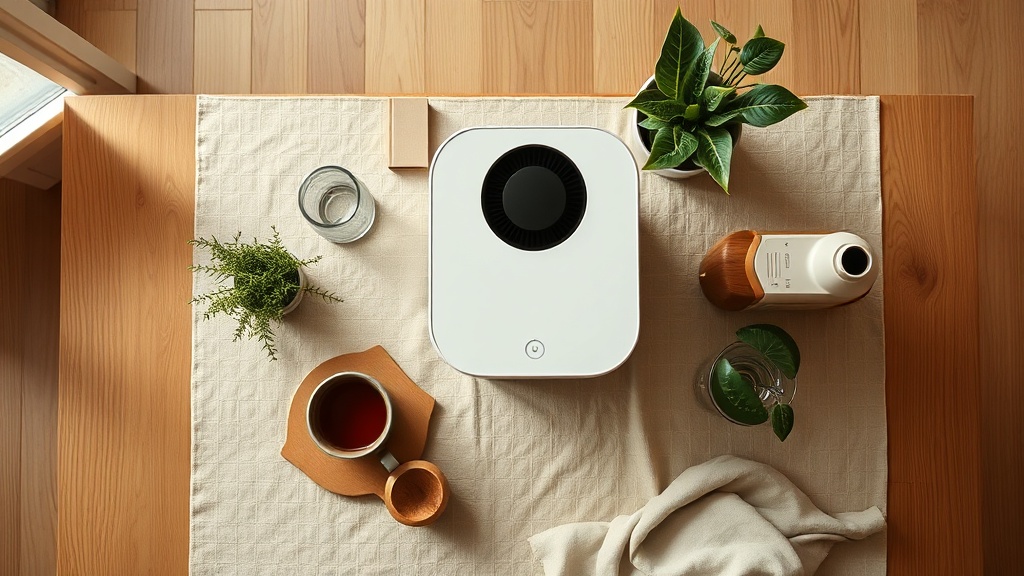
A HEPA air purifier can capture the PM2.5 particles that carry PFAS. Adding an activated carbon filter captures gaseous PFAS that aren't attached to particles. Running both in your main living spaces and bedroom can reduce one major source of PFAS exposure that most people overlook.
The research at a glance
What to use instead
Browse our vetted, non-toxic alternatives. Every product is third-party certified.
Shop Non-Toxic Home