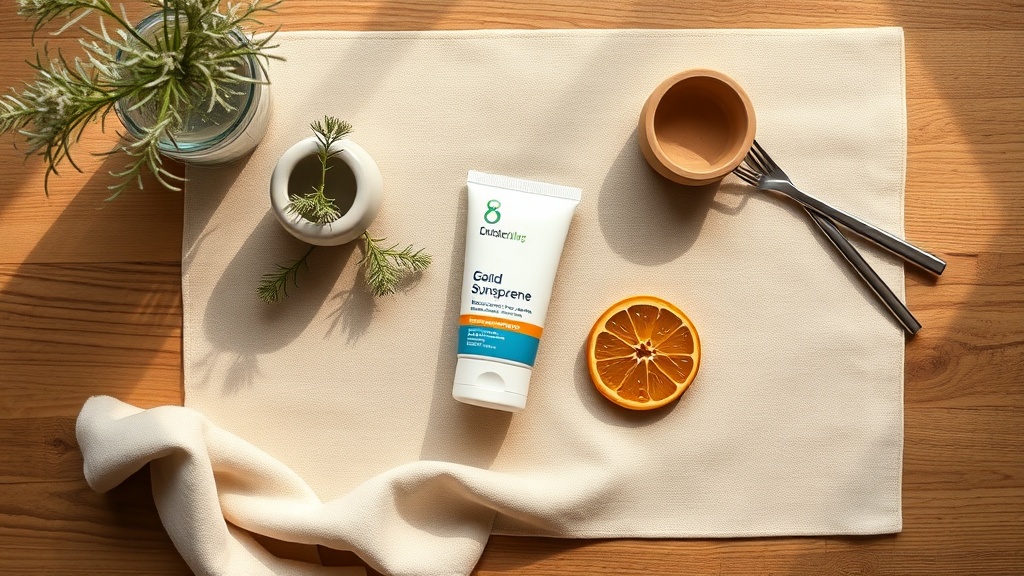
Can benzophenone from sunscreen and packaging promote breast cancer spread?
Yes. Benzophenone, found in sunscreens and food packaging, activated a cancer signaling pathway that promotes breast cancer cell metastasis.
What's actually in it
Benzophenone is a UV-absorbing chemical added to sunscreens, cosmetics, and food packaging to block UV light. It absorbs through your skin from sunscreen and enters your bloodstream. It also migrates from packaging into food. It's been detected in breast tissue samples.
Once in the body, benzophenone acts as an hormone disruptor. It mimics estrogen and can influence how cancer cells grow and move.
What the research says
A 2026 study in J Hazard Mater tested how benzophenone affects breast cancer cells. They found it activated a specific signaling pathway that promotes metastasis, the spread of cancer to other parts of the body.
Benzophenone turned on the Wnt/β-catenin pathway, a well-known cancer signaling route. When this pathway is active, breast cancer cells become more mobile and invasive, making them more likely to spread to the bones, lungs, and brain.
The effect occurred at environmentally relevant concentrations, meaning the amounts people are actually exposed to from everyday product use were enough to trigger the pathway.
If you're concerned, look for sunscreens that use mineral UV blockers (zinc oxide or titanium dioxide) instead of chemical UV filters like benzophenone.
The research at a glance
| Study | Journal | Year |
|---|---|---|
| Environmental benzophenone exposure promotes breast cancer cell metastasis via the Wnt/β-catenin pathway. | J Hazard Mater | 2026 |
What to use instead
Browse our vetted, non-toxic alternatives. Every product is third-party certified.
Shop Non-Toxic Home