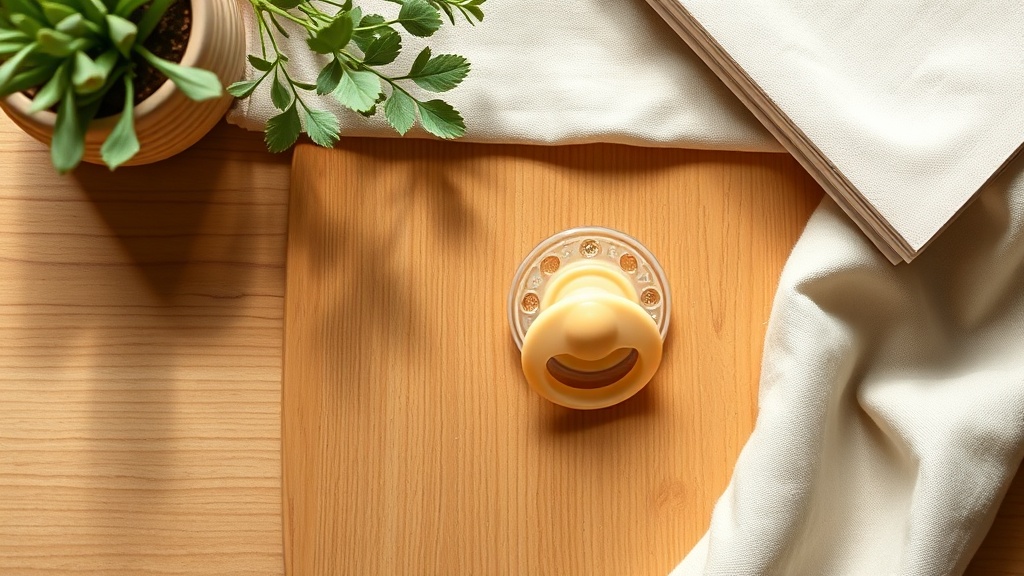
Can BPA from pacifiers leach into your baby's saliva?
Some Concern
What's actually in it
Pacifiers are made from silicone or latex, but they also contain plastic parts like shields, handles, and rings. These plastic components can contain bisphenol A (BPA) or its chemical cousins. When a baby sucks on a pacifier, saliva breaks down the surface and can pull chemicals out of the material.
What the research says
A 2026 study in Environ Sci Pollut Res Int tested BPA migration from commercially available pacifiers using lab conditions that mimic a baby's mouth. The researchers found that BPA did leach out of some pacifiers into the test solution. The amounts varied by brand, with some releasing more than others.
Babies use pacifiers for hours each day, which means even small amounts of BPA add up. Infants are especially vulnerable because their bodies are still developing and they can't break down chemicals as well as adults.
When shopping for pacifiers, look for ones made from 100% medical-grade silicone with no polycarbonate plastic parts. Check the packaging for third-party testing results, not just a "BPA-free" label.
The research at a glance
What to use instead
Browse our vetted, non-toxic alternatives. Every product is third-party certified.
Shop Non-Toxic Baby