Can chemical hair straighteners disrupt your menstrual cycle?
Yes. Women who used chemical hair straighteners had more irregular periods, heavy bleeding, and painful cycles.
What's actually in it
Chemical hair straightening treatments, sometimes called relaxers or keratin treatments, use a cocktail of chemicals to break and reshape the bonds in your hair. Many contain formaldehyde or formaldehyde-releasing compounds, along with phthalates, parabens, and other endocrine disruptors. These chemicals don't just sit on your hair. They're absorbed through your scalp, which has a rich blood supply, and they get inhaled as fumes during the treatment.
What the research says
A 2026 study in J Womens Health tracked thousands of women and compared menstrual symptoms between those who used chemical hair straighteners and those who didn't. Women who used straighteners reported more irregular periods, heavier bleeding, and more painful cycles.
The connection makes biological sense. Formaldehyde is a known toxin that damages cells. Phthalates and parabens mimic estrogen, which directly controls the menstrual cycle. When these chemicals enter your bloodstream through your scalp, they can throw off the hormone balance that keeps your period regular.
The more often women used these products, the more likely they were to report problems. Occasional use carried less risk than regular treatments every few weeks.
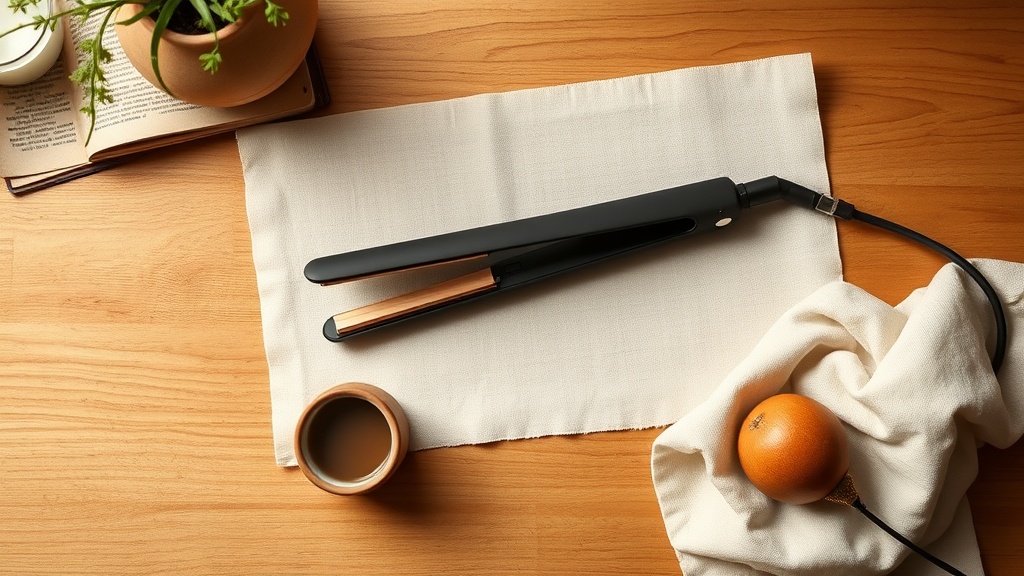
If you want straight hair without the chemical load, heat styling with a flat iron or blow dryer is a lower-exposure option. Some newer straightening products skip formaldehyde entirely, but check the label for phthalates and parabens too.
The research at a glance
| Study | Journal | Year |
|---|---|---|
| Use of Chemical Hair Straighteners and Menstrual Disturbances | J Womens Health (Larchmt) | 2026 |
What to use instead
Browse our vetted, non-toxic alternatives. Every product is third-party certified.
Shop Non-Toxic Home