Can cleaning product chemicals trigger poor respiratory health?
Some Concern
What's actually in it
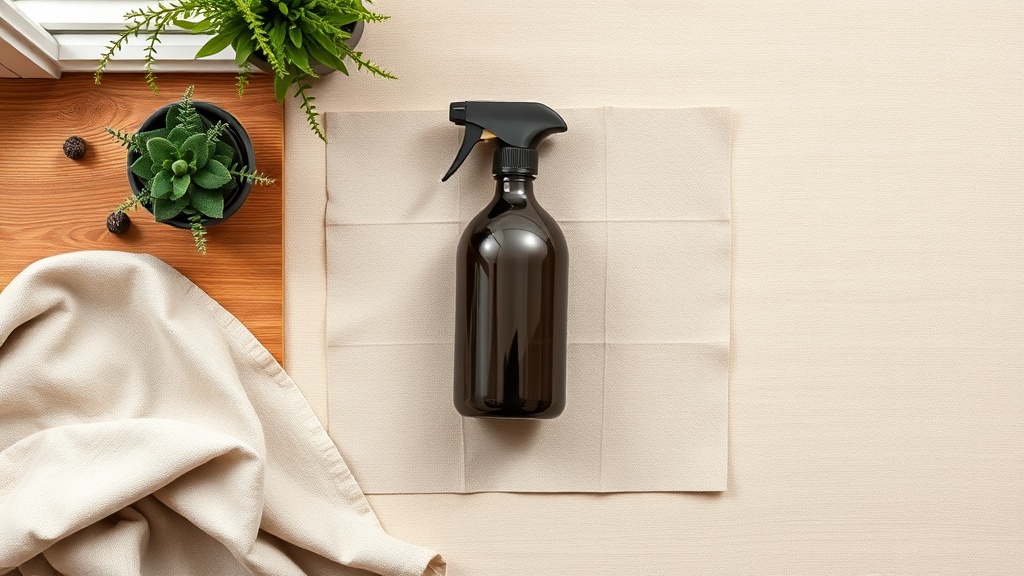
Household cleaning products contain bleach, ammonia, quaternary ammonium compounds, fragrances, and volatile solvents. Spraying, wiping, and mopping release these chemicals into the air as gases and fine droplets. You breathe them in while cleaning and for hours afterward as they linger indoors.
What the research says
A 2026 study in Environ Sci Pollut Res Int examined which cleaning products and product types are most strongly linked to respiratory problems. The researchers found that spray cleaners, bleach, and scented products were the biggest offenders. Regular use of these products was tied to more coughing, wheezing, and reduced lung function.
People who clean frequently, whether at home or as professional cleaners, had worse respiratory health than those who cleaned less often. The study found that the more products you use and the more often you use them, the greater the impact on your lungs.
Switch from sprays to wipe-on or pour-on cleaners to reduce airborne chemicals. Use fragrance-free products and skip bleach for everyday cleaning. Open windows while you clean and for at least 30 minutes afterward.
The research at a glance
What to use instead
Browse our vetted, non-toxic alternatives. Every product is third-party certified.
Shop Non-Toxic Home