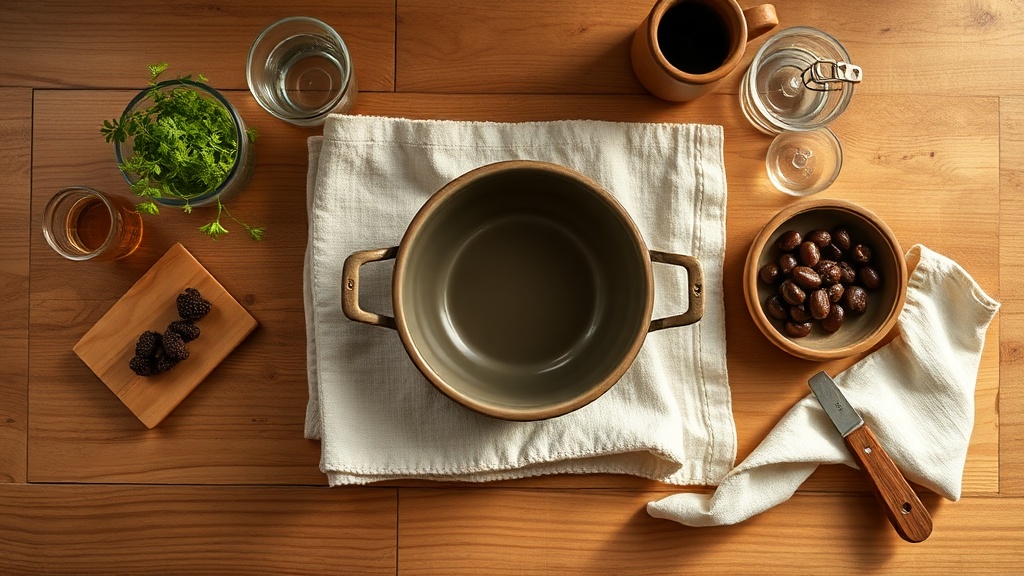
Can cooking acidic food in glazed pottery leach dangerous amounts of lead?
avoid
What's actually in it
Traditional glazed pottery and ceramic cookware, especially pieces imported from Mexico, Central America, and parts of Asia, often use lead-based glazes. The glaze gives the pottery its shiny, colorful finish. When acidic foods like tomatoes, citrus, salsa, or vinegar-based dishes sit in or cook in these vessels, the acid dissolves the glaze and pulls lead directly into your food.
What the research says
A 2026 study in J Public Health Manag Pract tested what happens when you cook acidic food in glazed pottery sold at markets. The researchers simmered tomato-based foods in the pottery and measured how much lead leached into the food.
The lead levels were far above safety limits. In some cases, a single meal cooked in glazed pottery contained enough lead to exceed the daily maximum intake by many times over. The hotter the food and the longer it cooked, the more lead dissolved into it.
Lead is especially dangerous because there's no safe level of exposure for children. Even tiny amounts affect brain development, lower IQ, and cause behavioral problems. Adults aren't immune either: chronic lead exposure raises blood pressure, damages kidneys, and harms the reproductive system.
The pottery that looks the most beautiful is often the most dangerous. Bright orange, yellow, and green glazes are the ones most likely to contain lead. If you own glazed pottery from unknown sources, use it for decoration only, never for cooking or serving food.
The research at a glance
| Study | Journal | Year |
|---|---|---|
| Enhanced Leaching of Soluble Lead by Cooking Acidic Food in Glazed Pottery Sold at the Mexican Border. | J Public Health Manag Pract | 2026 |
What to use instead
Browse our vetted, non-toxic alternatives. Every product is third-party certified.
Shop Non-Toxic Kitchen