Can disposable baby diapers expose your infant to phthalates that damage DNA?
Yes. Phthalates from disposable diapers absorb through baby skin and are linked to oxidative DNA damage in infants.
What's actually in it
Disposable diapers are made from layers of plastic film, adhesives, super-absorbent polymers, and elastic bands. Many of these components contain phthalate plasticizers that keep the plastic flexible. Phthalates aren't chemically bonded to the plastic, so they migrate to the surface and transfer to whatever touches them.
A baby's diaper sits directly against their skin for hours at a time. The warm, moist environment inside a diaper speeds up chemical migration. Baby skin is also thinner and more permeable than adult skin, so chemicals absorb faster.
What the research says
A 2025 study in Toxics measured phthalate levels in disposable diapers and then checked for DNA oxidative damage markers in the urine of infants wearing them. The results showed a clear connection: infants exposed to higher phthalate levels from their diapers had higher levels of 8-OHdG, a marker that signals DNA oxidative damage.
The phthalates crossed the skin barrier and entered the babies' bodies. The most common types found were DEHP and DBP, both classified as endocrine disruptors. DNA damage at this early stage of life is especially worrying because cells are dividing rapidly during infancy.
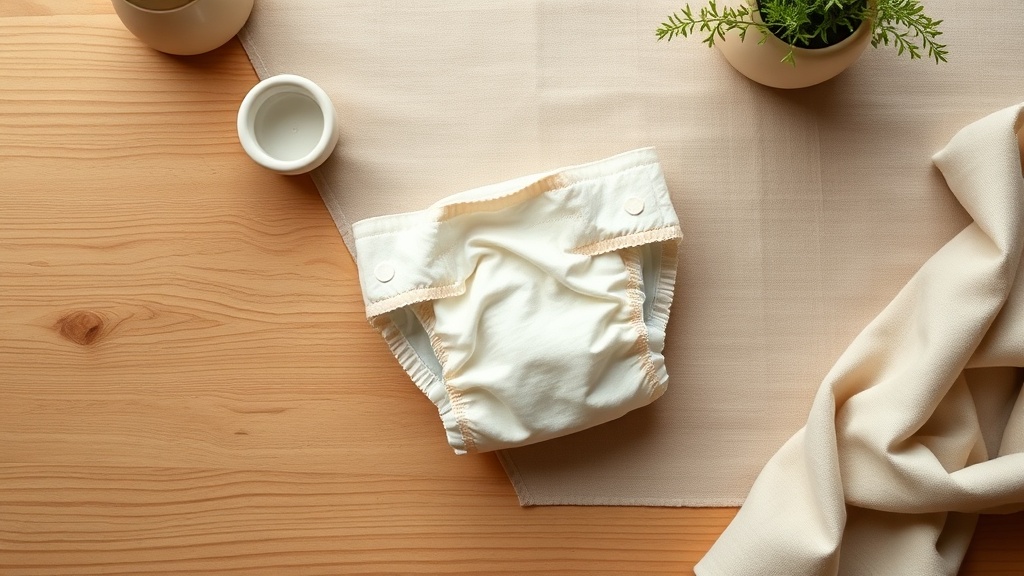
Cloth diapers or phthalate-free disposable brands avoid this exposure. If you use conventional disposables, changing them frequently reduces the contact time and limits how much chemical can absorb.
The research at a glance
What to use instead
Browse our vetted, non-toxic alternatives. Every product is third-party certified.
Shop Non-Toxic Baby