Can food dyes in bedtime snacks keep kids awake at night?
caution
What's actually in it
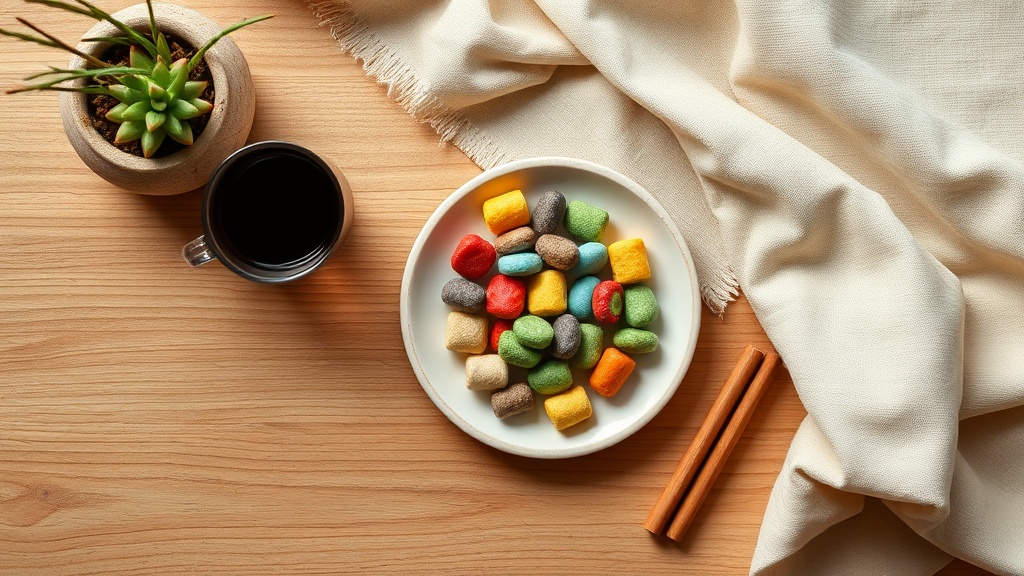
Many popular bedtime snacks for kids are loaded with artificial food dyes. Colored cereal, yogurt with fruit swirls, graham crackers with frosting, gummy vitamins, and flavored milk all commonly contain Red 40, Yellow 5, Yellow 6, or Blue 1. These are petroleum-based chemicals added purely for appearance. They have zero nutritional value.
Kids eat these snacks right before bed without parents thinking twice about the color. But the timing matters, because these dyes may interfere with the brain chemistry that tells your child it is time to sleep.
What the research says
A 2026 hypothesis paper in a journal examined how artificial food colors might disrupt sleep through two pathways. First, these dyes may affect neurotransmitter activity, including dopamine and serotonin, both of which play roles in the sleep-wake cycle. Second, they may interfere with circadian signaling, the internal clock that tells the brain when to feel sleepy.
The researchers noted that children are especially vulnerable because they consume more food dye per pound of body weight than adults. A small child eating a brightly colored snack before bed gets a proportionally larger dose of these chemicals at exactly the wrong time.
This is a hypothesis supported by biological plausibility and existing research on food dye neurotoxicity. It has not yet been tested in a controlled sleep study, but the proposed mechanisms are well-grounded in what we know about how these chemicals interact with the brain.
The bottom line
If your child has trouble falling asleep, check the ingredient labels on their evening snacks. Swap brightly colored processed foods for plain yogurt, banana slices, cheese, or whole grain crackers without added dyes. It is a simple change that might make bedtime easier.
The research at a glance
What to use instead
Browse our vetted, non-toxic alternatives. Every product is third-party certified.
Shop Non-Toxic Kitchen