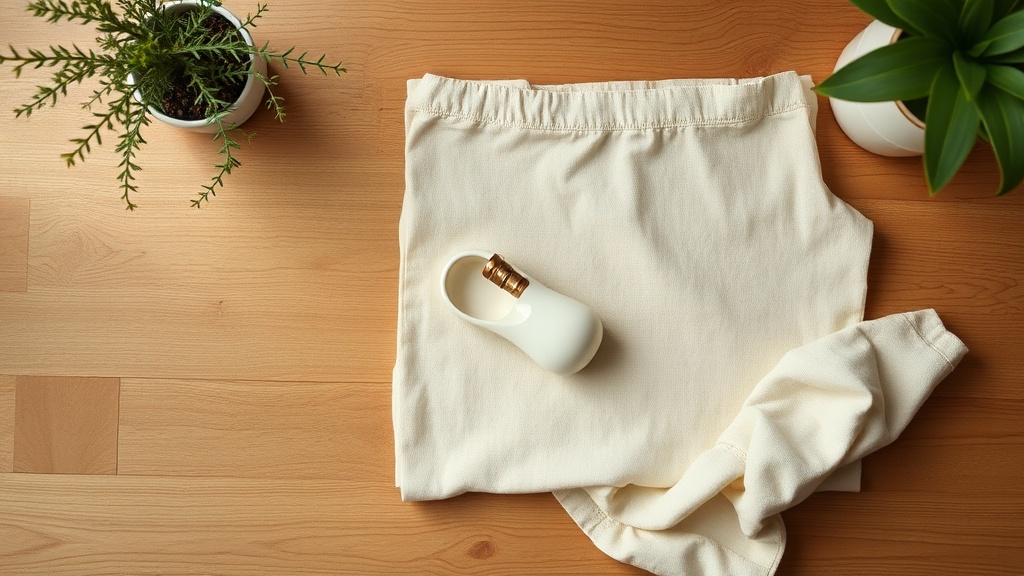
Can formaldehyde from new clothes and uniforms make you sick?
Yes. New clothes and uniforms release formaldehyde, a known carcinogen, at levels that can cause skin irritation, breathing problems, and allergic reactions.
What's actually in it
Formaldehyde is used in textile finishing to make clothes wrinkle-resistant, shrink-proof, and colorfast. It's applied to cotton, polyester-cotton blends, and synthetic fabrics during manufacturing. The chemical bonds to the fibers but not permanently. It off-gasses from the fabric and transfers to your skin through sweat.
Uniforms, dress shirts, bed sheets, and any fabric labeled "easy care" or "wrinkle-free" are the most likely to contain formaldehyde. The levels are highest when the garment is brand new.
What the research says
A 2025 review in Rev Environ Health examined formaldehyde exposure from uniforms and clothing. The review found that formaldehyde levels in many garments exceed health-based limits set by other countries, though the U.S. has no mandatory limits for formaldehyde in adult clothing.
Workers who wear uniforms daily reported skin rashes, breathing difficulties, and allergic reactions that resolved when they stopped wearing the garments. Formaldehyde is classified as a known human carcinogen by the IARC, and chronic skin exposure adds to your lifetime cancer risk.
Washing new clothes before wearing them removes some formaldehyde, but not all of it. Multiple washes help more. Choosing organic cotton, linen, or garments certified by OEKO-TEX Standard 100 ensures lower formaldehyde levels.
The research at a glance
| Study | Journal | Year |
|---|---|---|
| Unfinished business: formaldehyde exposure from uniforms and the case for U.S. textile regulation. | Rev Environ Health | 2025 |
What to use instead
Browse our vetted, non-toxic alternatives. Every product is third-party certified.
Shop Non-Toxic Clothes