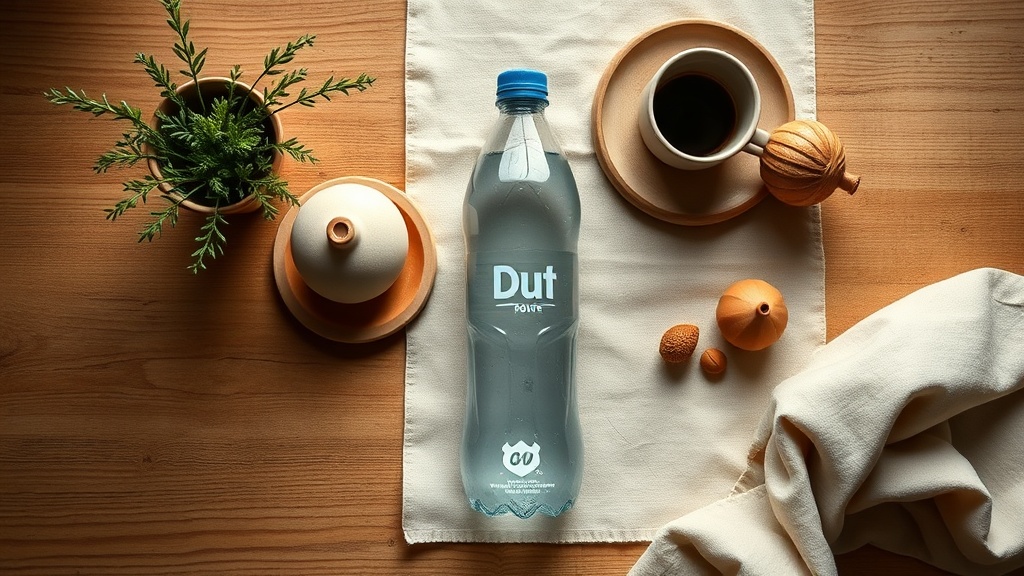
Can handling and storing PET water bottles increase your microplastic exposure?
Some Concern
What's actually in it
PET (polyethylene terephthalate) is the clear plastic used for most bottled water. It's recycling number 1. While PET is considered one of the safer food-grade plastics, the bottles shed particles over time. How you store, carry, and handle the bottle affects how many particles end up in your water.
What the research says
A 2026 study in Water Res tested how everyday storage and handling of PET bottled water affects microplastic and nanoplastic levels. The researchers found that squeezing, opening and closing, sun exposure, and long storage times all increased the number of plastic particles in the water.
Bottles stored in warm cars or sunlight released far more particles than those kept cool. Repeatedly opening and closing the cap also scraped off plastic bits. The study noted that socio-economic factors played a role too, since people without access to filtered tap water rely more heavily on bottled water.
Use a glass or stainless steel water bottle for daily use. If you drink bottled water, keep it out of direct sunlight and heat. Don't reuse single-use PET bottles.
The research at a glance
What to use instead
Browse our vetted, non-toxic alternatives. Every product is third-party certified.
Shop Non-Toxic Kitchen