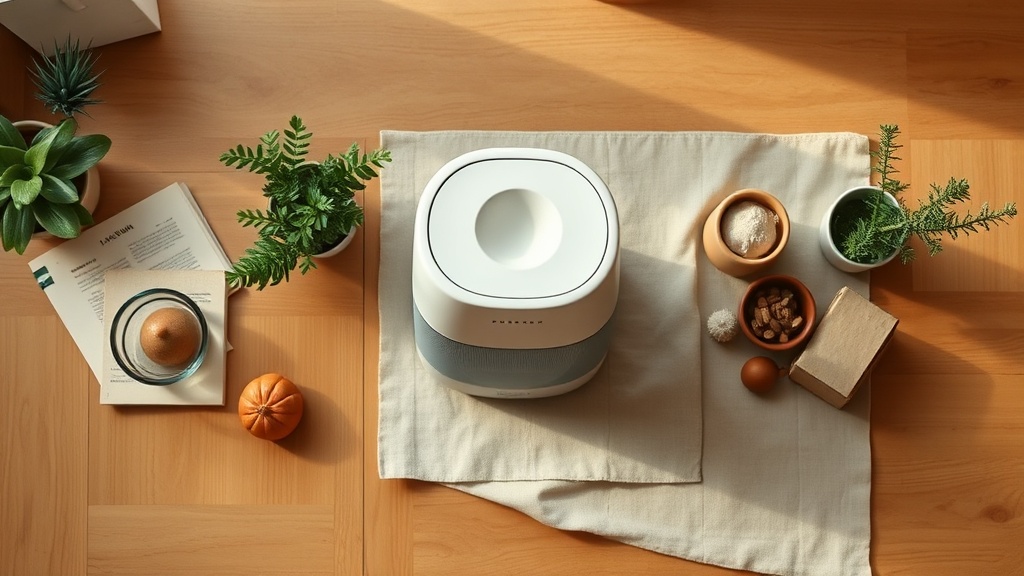
Can HEPA air purifiers at home reduce asthma attacks in children?
safer
What's actually in it
Indoor air carries dust mites, pet dander, mold spores, pollen, microplastics, and chemical particles from cleaning products and furniture. For children with severe asthma, these particles trigger airway inflammation that can lead to coughing, wheezing, and dangerous asthma attacks.
A HEPA (High Efficiency Particulate Air) filter captures 99.97% of particles down to 0.3 micrometers, removing most airborne triggers from the room.
What the research says
A 2026 study in J Allergy Clin Immunol Pract placed air purifiers with HEPA filters in the homes of children with severe asthma and tracked their outcomes. The results showed real-world benefits that went beyond lab measurements.
Children in homes with running HEPA purifiers had fewer asthma symptoms, fewer nighttime awakenings, and reduced use of rescue inhalers. Families reported fewer emergency room visits and missed school days. The improvements were strongest in bedrooms, where children spend the most continuous time.
The study also captured family perspectives. Parents described better sleep quality for the whole household and less anxiety about nighttime asthma emergencies.
For the best results, place a HEPA purifier in your child's bedroom and run it 24/7. Choose a unit rated for the room's square footage. Combine it with other exposure reduction steps: encase mattresses and pillows in allergen-proof covers, wash bedding weekly in hot water, and keep pets out of the bedroom.
The research at a glance
| Study | Journal | Year |
|---|---|---|
| Installing Air Purifiers in the Homes of Children With Severe Asthma: Outcomes and Family Perspectives | J Allergy Clin Immunol Pract | 2026 |
What to use instead
Browse our vetted, non-toxic alternatives. Every product is third-party certified.
Shop Non-Toxic Home