Can induction cooktops reduce indoor air pollution compared to gas?
Yes. Induction doesn't burn fuel indoors, so it skips the benzene, formaldehyde, and NO2 from gas combustion.
What's actually in it
Induction cooktops heat cookware with a magnetic field. There's no flame, no combustion, and no combustion gases. The cooktop stays cooler than the pan, and the kitchen air stays free of the gases that a gas stove creates.
Gas stoves release benzene, formaldehyde, nitrogen dioxide, and carbon monoxide whenever they're on (and small amounts of benzene even when off, from leaking fuel).
What the research says
A 2025 study in J Hazard Mater modeled benzene exposure in U.S. homes with gas stoves. In small kitchens with weak ventilation, benzene exceeded the 1 in 100,000 cancer risk threshold. Switching to induction removes that source.
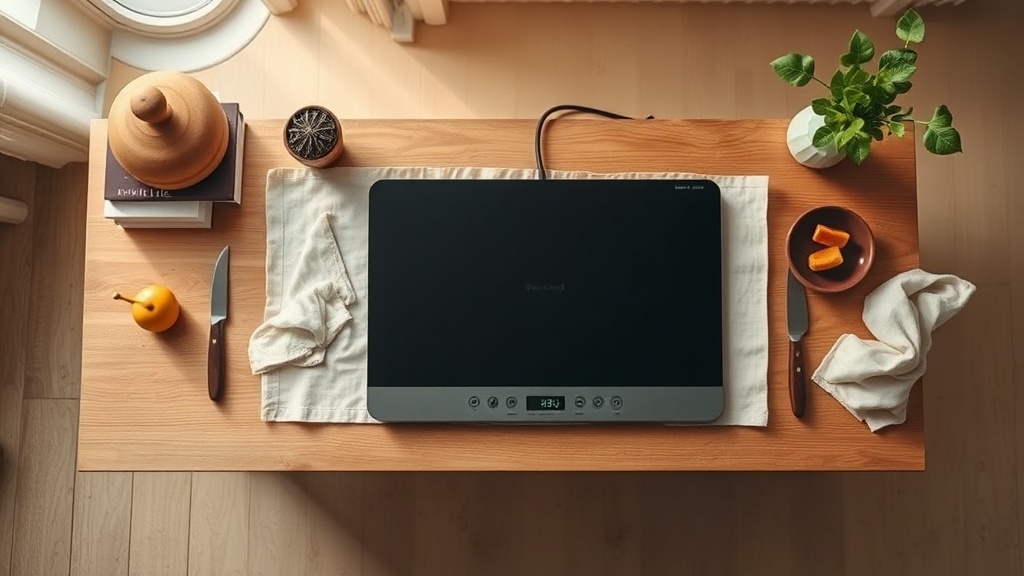
Portable single-burner induction units cost under $100 and work with any iron or steel pan. They're a low-cost way to try the technology in an apartment before committing to a full cooktop. You'll still want a hood (for steam and cooking fumes), but you won't be adding combustion gases to your home.
The research at a glance
| Study | Journal | Year |
|---|---|---|
| Exposure and health risks of benzene from combustion by gas stoves. | J Hazard Mater | 2025 |
What to use instead
Browse our vetted, non-toxic alternatives. Every product is third-party certified.
Shop Non-Toxic Kitchen