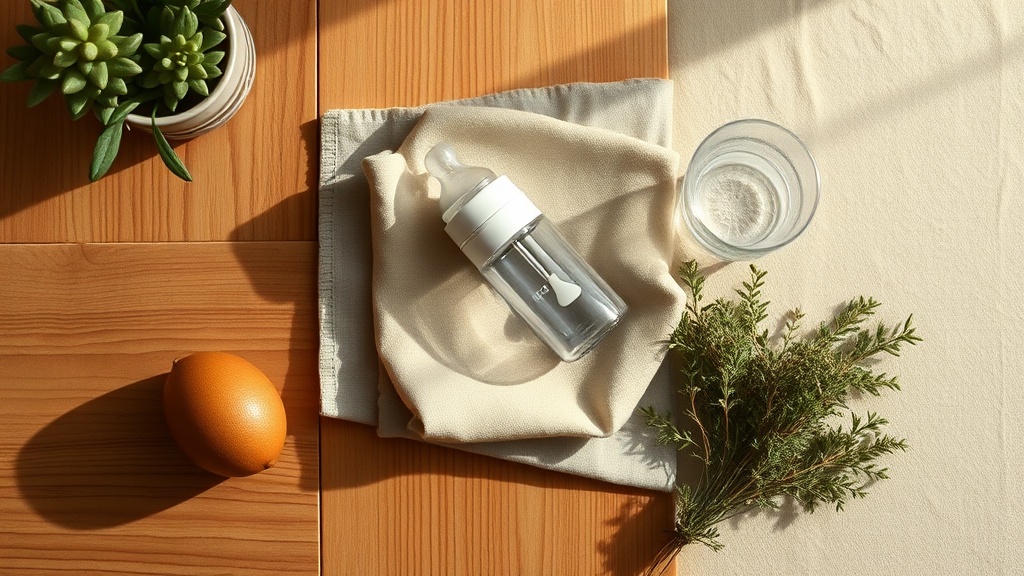
Can newer bisphenol alternatives raise pregnancy concerns?
caution
What is actually in it
Bisphenols are chemicals used in some plastics, coatings, and thermal papers. BPA is the best known, but newer alternatives are also used.
A BPA-free label does not always answer the bigger question: what replaced BPA?
What the research says
A 2026 Environmental Toxicology and Pharmacology study tested first urine samples from 90 newborns in Southern China for BPA and 20 alternatives.
More than 95% of samples contained 2 to 11 bisphenols, which supports maternal-fetal transfer and mixed exposure. The study found high detection of TGSA and BPS-MPE. TGSA was associated with higher odds of iatrogenic preterm birth, with an odds ratio of 7.90 and a wide 95% confidence interval of 1.22 to 51.3.
This does not prove that a baby product triggers preterm birth. It does show that BPA alternatives deserve attention during pregnancy. Choose glass, stainless steel, wood, and organic cotton baby items when they fit the use, and avoid heating food or milk in plastic.
The research at a glance
| Study | Journal | Year |
|---|---|---|
| Maternal-fetal transfer of emerging bisphenols: Exposure profile and potential link to latrogenic preterm birth. | Environ Toxicol Pharmacol | 2026 |