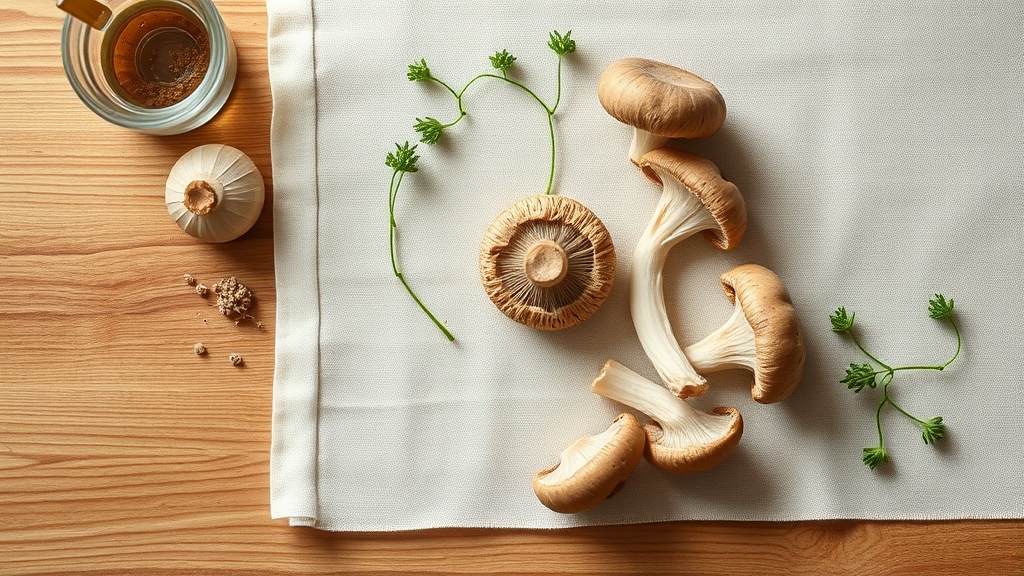
Can pesticide residues in edible mushrooms pose a health risk?
Some Concern
What's actually in it
Commercially grown mushrooms are treated with fungicides, insecticides, and other pesticides during cultivation. Unlike fruits and vegetables that grow in open fields, mushrooms are grown indoors in controlled environments. But they still receive chemical treatments to prevent mold, pests, and disease. Residues can remain on the mushrooms you buy.
What the research says
A 2026 review in J Agric Food Chem examined pesticide residue data from edible mushrooms and assessed whether the levels pose a health risk. The review found that multiple pesticide residues were detected in mushroom samples from various markets. While most were below legal limits, some samples exceeded safe levels for certain chemicals.
Mushrooms have a high surface area and porous texture that absorbs chemicals easily. Since many people eat mushrooms regularly, the cumulative exposure over time matters, especially for children and pregnant women.
Wash mushrooms under running water and pat dry. Choose organic mushrooms when available. If you grow mushrooms at home, avoid using chemical treatments.
The research at a glance
| Study | Journal | Year |
|---|---|---|
| Pesticide Residues in Edible Mushrooms: A Health Hazard? |
What to use instead
Browse our vetted, non-toxic alternatives. Every product is third-party certified.
Shop Non-Toxic Kitchen