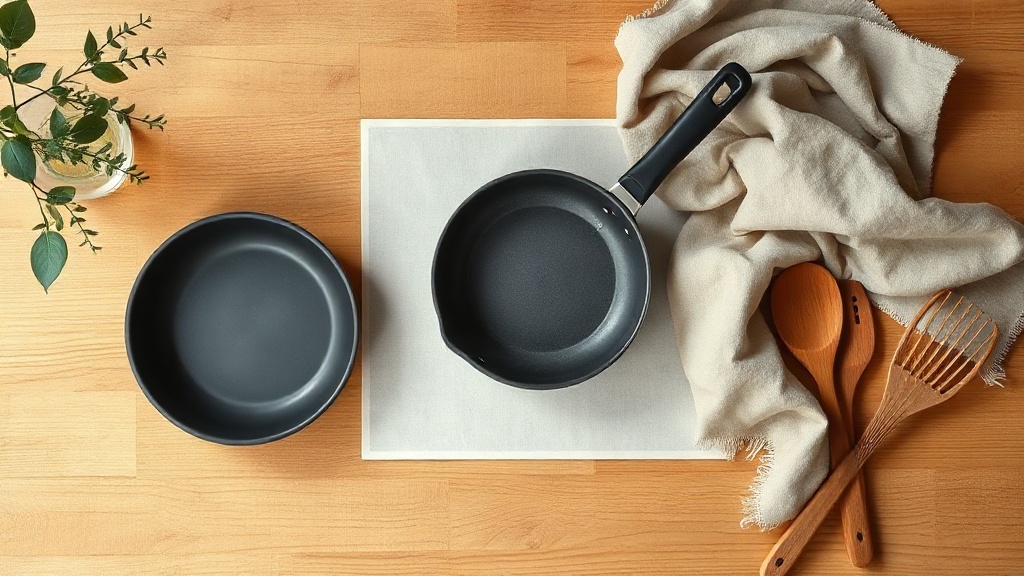
Can PFAS from cookware and stain-resistant products affect your period?
Likely yes. PFAS exposure is associated with menstrual cycle irregularities in midlife women.
What's actually in it
PFAS (per- and polyfluoroalkyl substances) are used in nonstick cookware, stain-resistant fabric, and water-repellent coatings. They don't break down in the body. Levels build up over years. Because PFAS mimic hormones, they can interfere with the hormonal signals that regulate the menstrual cycle.
Estrogen controls cycle timing. PFAS bind to some of the same receptors. When those signals get crossed, cycles can become shorter, longer, or irregular.
What the research says
A 2026 study in Reprod Toxicol examined PFAS blood levels and menstrual cycle characteristics in midlife women. Higher blood PFAS levels were associated with changes in cycle length and variability. The effects were dose-related, meaning higher PFAS equaled more disruption.
The researchers focused on midlife because that's when women approaching perimenopause are most sensitive to hormone disruption. But the same PFAS accumulation starts much earlier.
Cutting PFAS exposure from cookware is one of the most direct actions you can take. Stainless steel cookware has no PFAS coating and no accumulation risk.
The research at a glance
| Study | Journal | Year |
|---|---|---|
| Per- and polyfluoroalkyl substances (PFAS) and menstrual cycle characteristics in midlife women | Reprod Toxicol | 2026 |
What to use instead
Browse our curated non-toxic alternatives. Every product is third-party certified.
Shop Non-Toxic Kitchen