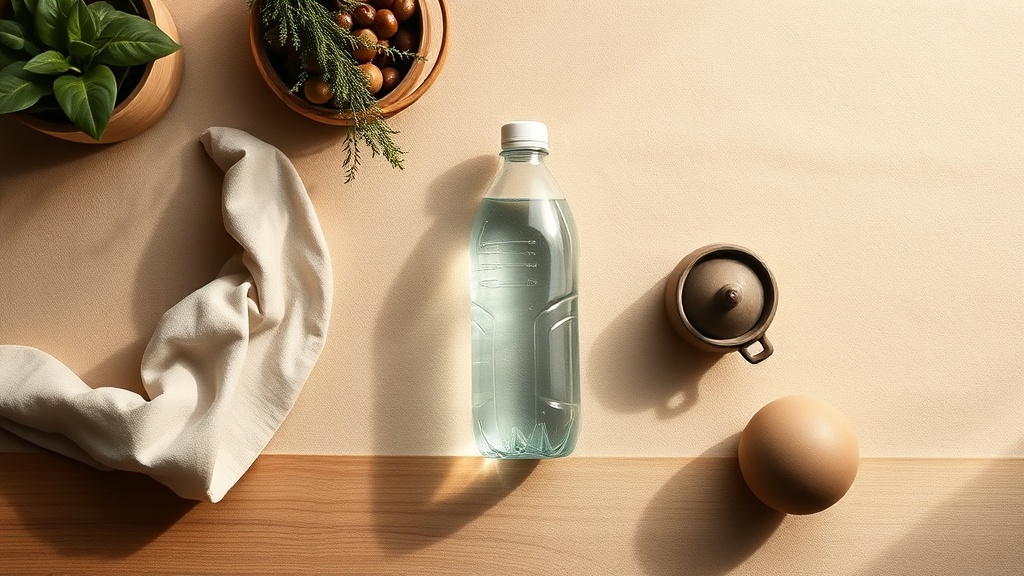
Can phthalates from PET water bottles leach faster in warm weather?
Yes. Higher temperatures dramatically increase phthalate migration from PET plastic bottles into water, with summer storage being the worst case.
What's actually in it
PET (polyethylene terephthalate) is the most common plastic used for water bottles, soda bottles, and juice containers. PET contains phthalate compounds that act as plasticizers. Under normal conditions, small amounts migrate into the liquid. But heat speeds up the process dramatically.
Leaving a water bottle in a hot car, on a sunny windowsill, or in a warm garage exposes it to temperatures that can reach 60C (140F) or higher. At those temperatures, phthalate migration jumps.
What the research says
A 2026 study in J Food Sci Technol measured phthalate migration from PET bottles at different temperatures over time. The results showed a clear temperature-dependent increase. Bottles stored at higher temperatures released many times more phthalates than bottles kept cool.
Even moderate warmth increased migration. Bottles stored at room temperature released more phthalates than refrigerated ones. The study used probabilistic risk assessment to show that people who regularly drink warm-stored bottled water may exceed safe daily phthalate intake levels.
The fix is simple: keep water bottles cool. Don't leave them in cars, near windows, or in garages. Better yet, use glass or stainless steel water bottles that don't release any phthalates regardless of temperature.
The research at a glance
| Study | Journal | Year |
|---|---|---|
| Migration of phthalate compounds from polyethylene terephthalate bottles under different temperature conditions- probabilistic risk assessment. | J Food Sci Technol | 2026 |
What to use instead
Browse our vetted, non-toxic alternatives. Every product is third-party certified.
Shop Non-Toxic Kitchen