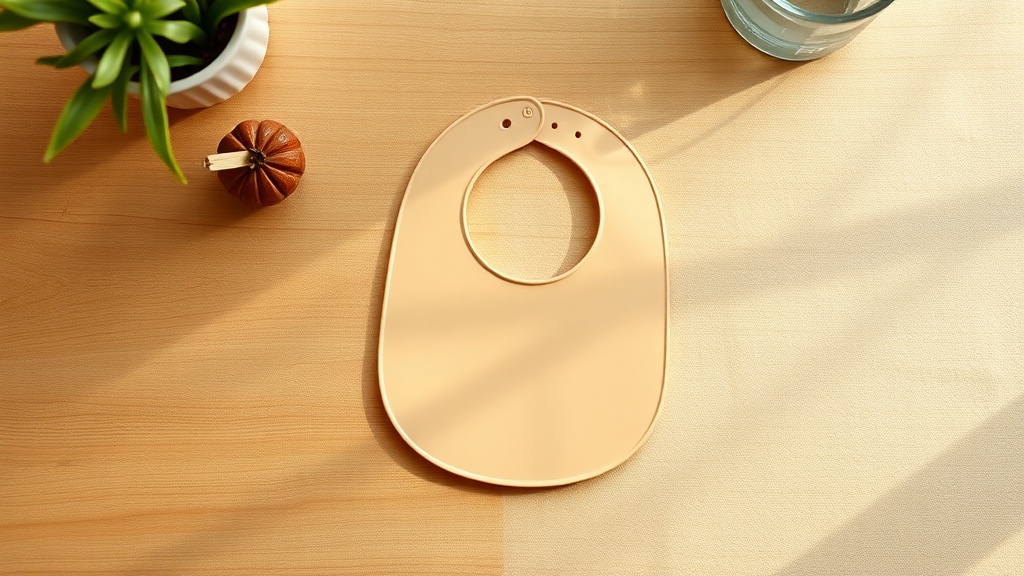
Can phthalates in baby products cause asthma?
Phthalates in baby products do not prove a child will develop asthma. The better reading is cautious: 2026 birth-cohort research found mixed respiratory findings, with some asthma-related symptom signals and no consistent asthma association overall.
Short answer: Phthalates in one baby product do not prove a child will develop asthma. The evidence is more careful than that. Fetal and early-life exposure studies show mixed respiratory findings, so soft plastic baby gear deserves caution.
What the research says
The 2026 Environ Res Generation R Next study Fetal exposure to bisphenols and phthalates and risk of respiratory conditions in infancy. The Generation R Next Study. followed 1,295 mother-child pairs. It found no association with the ever occurrence of wheezing, shortness of breath, or respiratory infections in the first year, but higher levels of certain bisphenols and high molecular weight phthalates were associated with more episodes of asthma-related symptoms.
The 2026 Environment International meta-analysis Fetal phthalate exposure and asthma outcomes from infancy to adolescence: Individual participant data meta-analysis in the EU Child Cohort Network. included 3,745 mother-child pairs. It found no consistent associations with childhood wheezing or asthma overall, though some lung-function adaptations were reported.
What to do instead
Reduce soft plastic where babies mouth, sleep near, or handle the item every day. Choose solid wood toys, GOTS organic cotton textiles, stainless steel, and glass when those swaps fit the job.
The research at a glance
What to use instead
For mouthed toys and daily play, browse solid wood toy options instead of soft plastic gear when the swap fits your child.
Shop Non-Toxic Baby