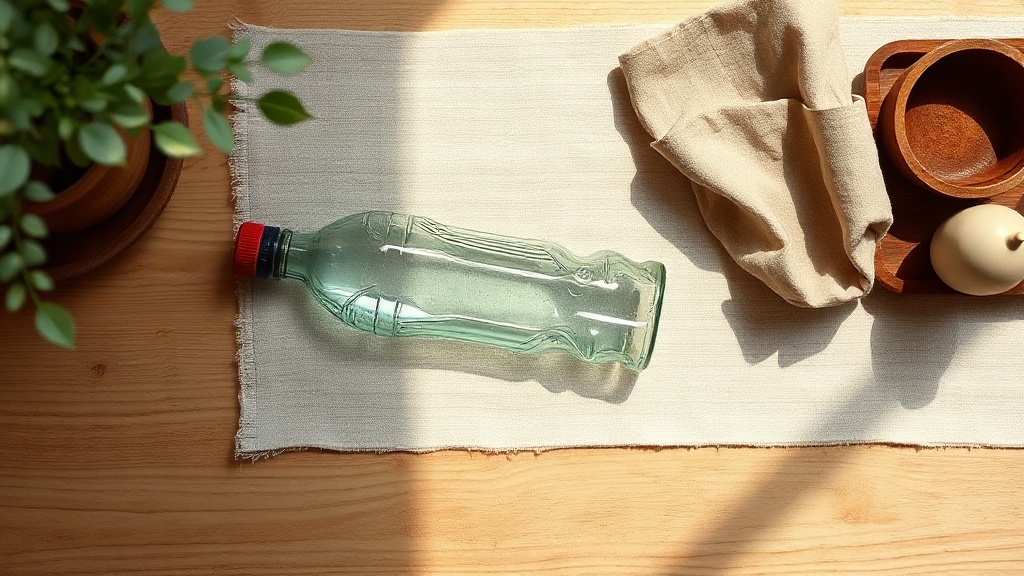
Can chronic exposure to plastic bottle particles damage your liver?
Yes. Chronic PET microplastic exposure disrupts gut-liver homeostasis and raises liver disease risk.
What's actually in it
PET plastic (the clear plastic in most water and soda bottles) sheds microplastic particles through normal use. Drinking from plastic bottles daily means chronic, low-level ingestion of PET particles. These particles travel through the gut and some enter the portal vein that leads directly to the liver.
The liver is the body's main detoxification organ. It processes everything absorbed from the gut. When microplastics accumulate in the liver, they disrupt the gut microbiome, alter bile acid metabolism, and promote inflammatory pathways that cause liver damage.
What the research says
A 2026 study in Adv Sci tracked the effects of chronic PET microplastic exposure on gut-liver homeostasis. They found that chronic exposure disrupted gut microbiome composition, increased gut permeability (leaky gut), altered bile acid signaling, and promoted liver inflammation consistent with early non-alcoholic fatty liver disease. All four mechanisms work together to impair liver function progressively.
Daily use of PET water bottles is the most consistent source of chronic PET particle ingestion most people have. Switching to a reusable stainless steel water bottle eliminates this entirely.
Use stainless steel alternatives for all water bottle and beverage storage needs.
The research at a glance
| Study | Journal | Year |
|---|---|---|
| Chronic PET-Microplastic Exposure: Disruption of Gut-Liver Homeostasis and Risk of Hepatotoxicity | Adv Sci | 2026 |
What to use instead
Browse our curated non-toxic alternatives. Every product is third-party certified.
Shop Non-Toxic Kitchen