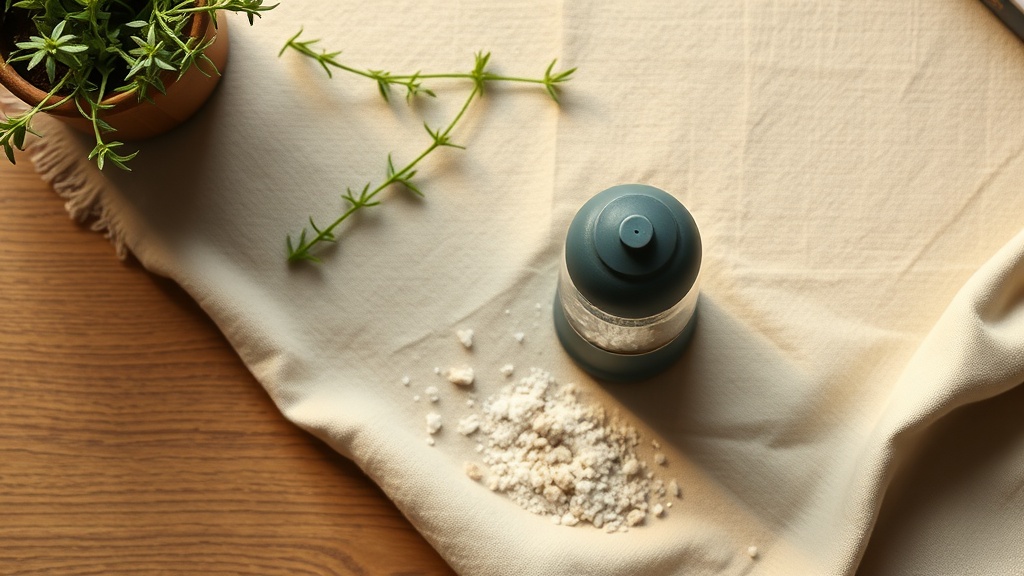
Can plastic salt grinders add microplastics to your food?
Yes. Grinding salt with a plastic grinder head releases microplastic particles directly into your food.
What's actually in it
Many salt and pepper grinders use plastic grinding mechanisms instead of ceramic or metal ones. Every time you twist the grinder, the hard salt crystals scrape against the plastic parts. That friction shaves off tiny plastic fragments that fall right into your food.
You can't see these particles. Most are smaller than a grain of sand. But you eat them with every meal where you use the grinder.
What the research says
A 2026 study in Sci Total Environ tested how many microplastics salt grinders release during normal use. They ground salt using grinders with plastic heads and counted the particles that came out.
The results were striking. Each grinding session released dozens to hundreds of microplastic fragments. The particles were mostly made of the same plastics used in the grinder mechanism, confirming the grinding action was the source.
Coarser salt crystals produced more microplastics because they scraped harder against the plastic parts. Using the grinder more aggressively also increased the count. Over weeks and months of daily use, the total adds up.
The fix is simple: switch to a grinder with a ceramic or stainless steel mechanism. These materials are much harder than salt and don't shed particles the way plastic does.
The research at a glance
| Study | Journal | Year |
|---|---|---|
| Investigating microplastic release from plastic grinder heads during salt grinding. | Sci Total Environ | 2026 |
What to use instead
Browse our vetted, non-toxic alternatives. Every product is third-party certified.
Shop Non-Toxic Kitchen