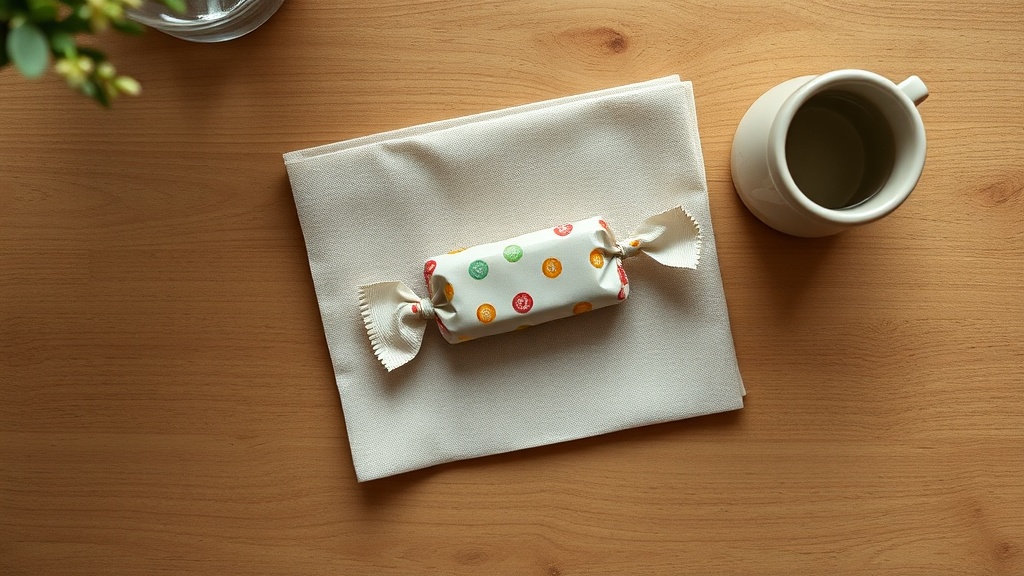
Can plastic-wrapped candy expose your child to microplastics?
Yes. Lab tests found microplastic particles inside individually wrapped candies, with children's estimated daily intake exceeding safe levels.
What's actually in it
Individually wrapped candies use thin plastic films made from polyethylene, polypropylene, and polyester. These wrappers touch the candy directly. The sugar, oils, and acids in candy can pull tiny plastic particles off the wrapper over time, especially in warm storage conditions.
Kids eat a lot of candy relative to their body weight. A child who eats several wrapped sweets a day gets a bigger dose of microplastics per pound than an adult eating the same amount.
What the research says
A 2026 study in Sci Total Environ tested popular plastic-wrapped candies and found microplastic particles in every sample. The most common types were polypropylene and polyethylene, matching the wrapper materials.
The researchers estimated daily microplastic intake for children based on typical candy consumption. Young children's estimated exposure was higher per kilogram of body weight than for older kids or adults. The particles ranged in size from large enough to see to tiny fragments that can pass through the gut lining.
The study flagged early childhood as a period of special concern. Small bodies process these particles differently, and developing organs are more sensitive to any chemicals that hitch a ride on the plastic. Choosing candy in foil or paper wrappers, or unwrapped options, cuts this exposure.
The research at a glance
What to use instead
Browse our vetted, non-toxic alternatives. Every product is third-party certified.
Shop Non-Toxic Baby