Can polypropylene microplastics from baby bottles interfere with infant digestion?
Yes. Polypropylene micro- and nanoplastics from bottles altered how infant stomach acid breaks down milk proteins.
What's actually in it
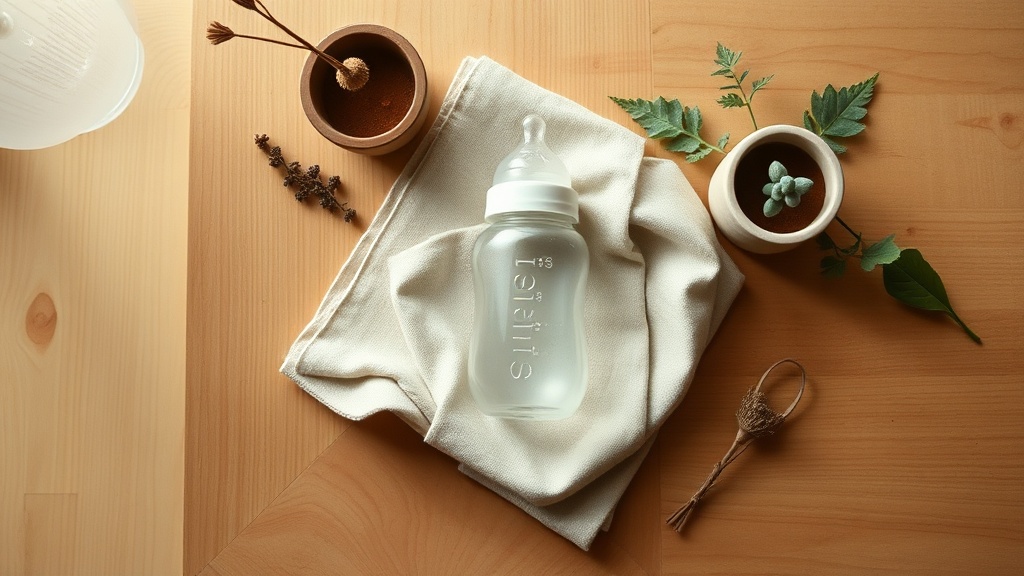
Most baby bottles are made from polypropylene (PP), labeled as recycling code #5. When you heat formula or breast milk in these bottles, the plastic sheds micro- and nanoplastic particles into the liquid. Sterilizing bottles in boiling water releases even more. Babies then swallow these particles along with every feeding.
An infant's digestive system is still developing. The stomach acid is weaker than an adult's, and the gut lining is more permeable. Plastic particles that reach this immature system can interact with food in ways that wouldn't happen in an adult gut.
What the research says
A 2025 study in Environ Pollut tested how polypropylene micro- and nanoplastics affect the digestion of cow's milk proteins in an infant stomach model. The plastic particles altered how proteins were broken down by infant gastric enzymes.
Proteins that should have been digested into small, absorbable pieces were instead left partially intact or broken down differently. This could affect nutrient absorption and increase the risk of allergic reactions, since larger protein fragments are more likely to trigger immune responses.
Glass baby bottles eliminate this source of microplastics entirely. If you use polypropylene bottles, avoid heating formula in them. Warm the formula in a glass container first, then transfer it to the bottle at a lower temperature.
The research at a glance
| Study | Journal | Year |
|---|---|---|
| Polypropylene micro- and nanoplastics affect the digestion of cow's milk proteins in infant model of gastric digestion. | Environ Pollut | 2025 |
What to use instead
Browse our vetted, non-toxic alternatives. Every product is third-party certified.
Shop Non-Toxic Baby