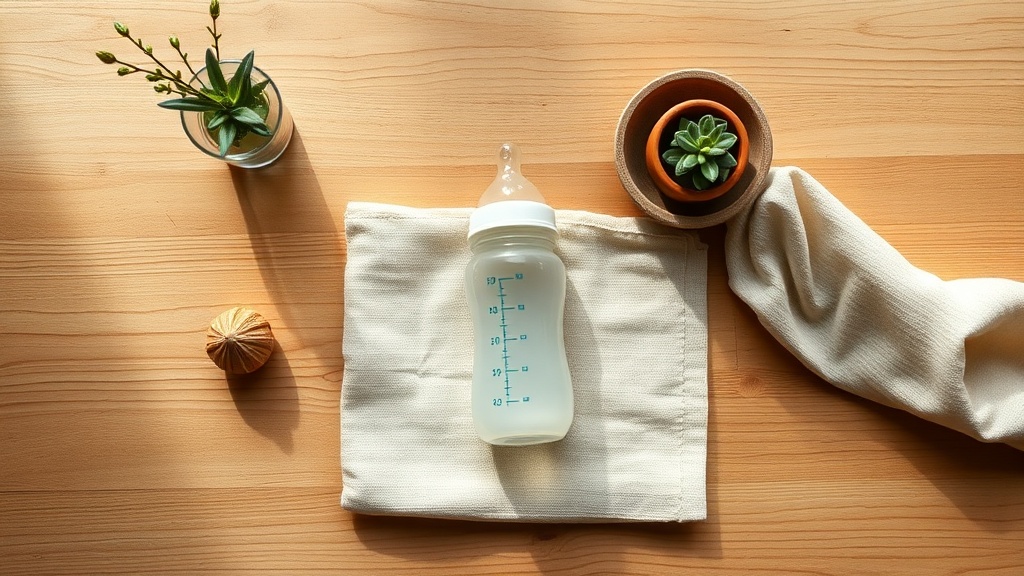
Can polypropylene microplastics from baby bottles interfere with how infants digest milk?
Some Concern
What's actually in it
Most baby bottles are made from polypropylene (PP) plastic. When you heat formula or breast milk in these bottles, the plastic sheds micro- and nanoplastics into the liquid. The baby then drinks these particles along with their milk. The particles are too small to see but large enough to interact with proteins during digestion.
What the research says
A 2025 study in Environ Pollut tested how polypropylene microplastics affect the digestion of cow's milk proteins using a model of infant gastric digestion. The researchers found that the plastic particles altered how milk proteins were broken down in the simulated infant stomach.
Changed protein digestion could affect nutrient absorption and may trigger allergic reactions. If proteins aren't broken down properly, larger fragments can pass through the gut wall and be recognized by the immune system as foreign invaders.
Switch to glass baby bottles for heating and feeding. If you use PP bottles, avoid heating them in the microwave or with boiling water. Prepare formula in a glass container first, let it cool, then transfer to the bottle.
The research at a glance
What to use instead
Browse our vetted, non-toxic alternatives. Every product is third-party certified.
Shop Non-Toxic Baby