Can tea tree oil diffusers release toxic VOCs and particles into your home?
Some Concern
What's actually in it
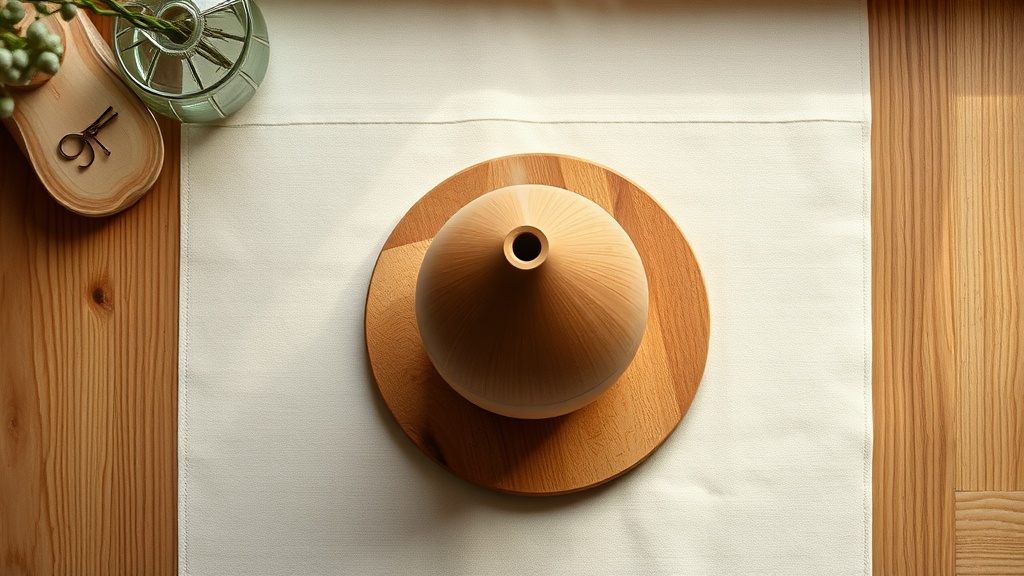
Essential oil diffusers break oil into tiny droplets and release them into the air. Tea tree oil is one of the most popular essential oils used at home for its supposed antibacterial and calming properties. But when oil droplets react with indoor air, they can form secondary pollutants including VOCs and ultrafine particles.
What the research says
A 2025 study in J Occup Environ Hyg measured the VOC and particle emissions from tea tree oil diffusers. The researchers found that diffusing tea tree oil produced elevated levels of VOCs and particles, including formaldehyde and ultrafine particles small enough to reach deep into the lungs.
The emissions were highest in small, poorly ventilated rooms. Some of the chemicals formed when tea tree oil components reacted with ozone already present in indoor air. Running a diffuser for several hours can build up pollutant levels well above background.
If you use essential oil diffusers, run them for short periods only (15-30 minutes) and open a window. Don't diffuse in bedrooms while sleeping. Keep diffusers out of small, closed rooms. Consider using them outdoors instead.
The research at a glance
What to use instead
Browse our vetted, non-toxic alternatives. Every product is third-party certified.
Shop Non-Toxic Home