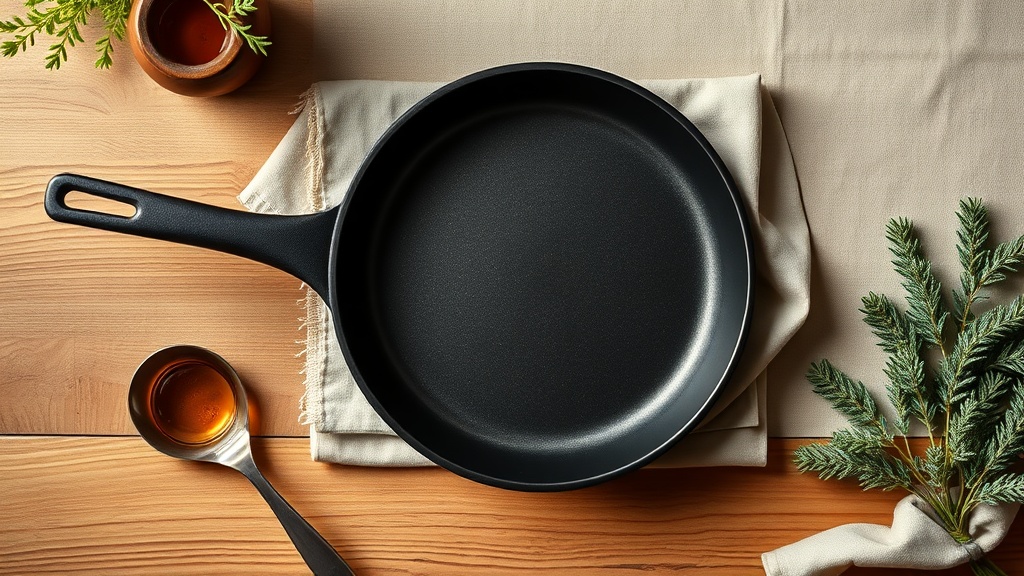
Can Teflon-coated nonstick pans affect male fertility and sperm quality?
Yes. A 2025 study found that exposure to polytetrafluoroethylene (PTFE), the coating on Teflon pans, caused sperm quality decline in lab animals.
What's actually in it
Nonstick pans use a coating made from polytetrafluoroethylene (PTFE), commonly known as Teflon. PTFE belongs to the PFAS family of chemicals, sometimes called "forever chemicals" because they don't break down in the environment or in your body. While PTFE itself is considered stable at normal cooking temperatures, it can degrade at high heat and release particles and fumes.
When nonstick coatings get scratched, chipped, or overheated, PTFE particles can flake off into food. These particles are small enough to be swallowed without noticing.
What the research says
A 2025 study in Adv Sci looked at what PTFE exposure does to male reproductive health. The researchers exposed lab animals to PTFE and tracked sperm count, motility (how well sperm swim), and overall sperm quality over time.
They found that PTFE exposure led to measurable declines in sperm quality. Sperm count dropped, motility decreased, and there were more abnormal sperm cells. The damage was linked to oxidative stress in the testes, where PTFE particles triggered inflammation and disrupted normal cell function.
The good news from the study: the researchers also found that certain therapeutic approaches could help repair some of the damage, suggesting the effects may be partially reversible. But preventing exposure in the first place is obviously better than trying to fix the damage after.
If you're concerned about fertility, switching to cast iron, stainless steel, or ceramic-coated cookware removes PTFE from your kitchen. If you keep nonstick pans, never heat them above medium, replace them when scratched, and use wooden or silicone utensils to protect the coating.
The research at a glance
| Study | Journal | Year |
|---|---|---|
| Therapeutic Repair of Sperm Quality Decline Caused by Polytetrafluoroethylene. | Adv Sci (Weinh) | 2025 |
What to use instead
Browse our vetted, non-toxic alternatives. Every product is third-party certified.
Shop Non-Toxic Kitchen